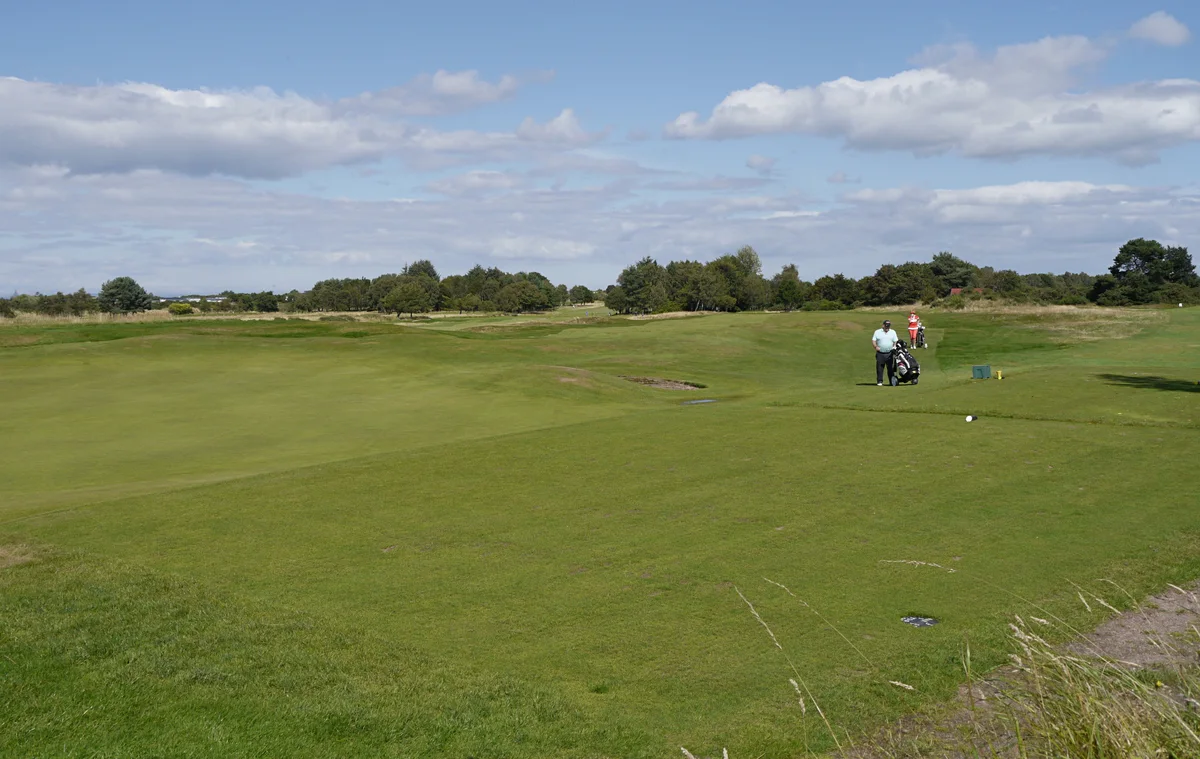
Scotland · St Andrews
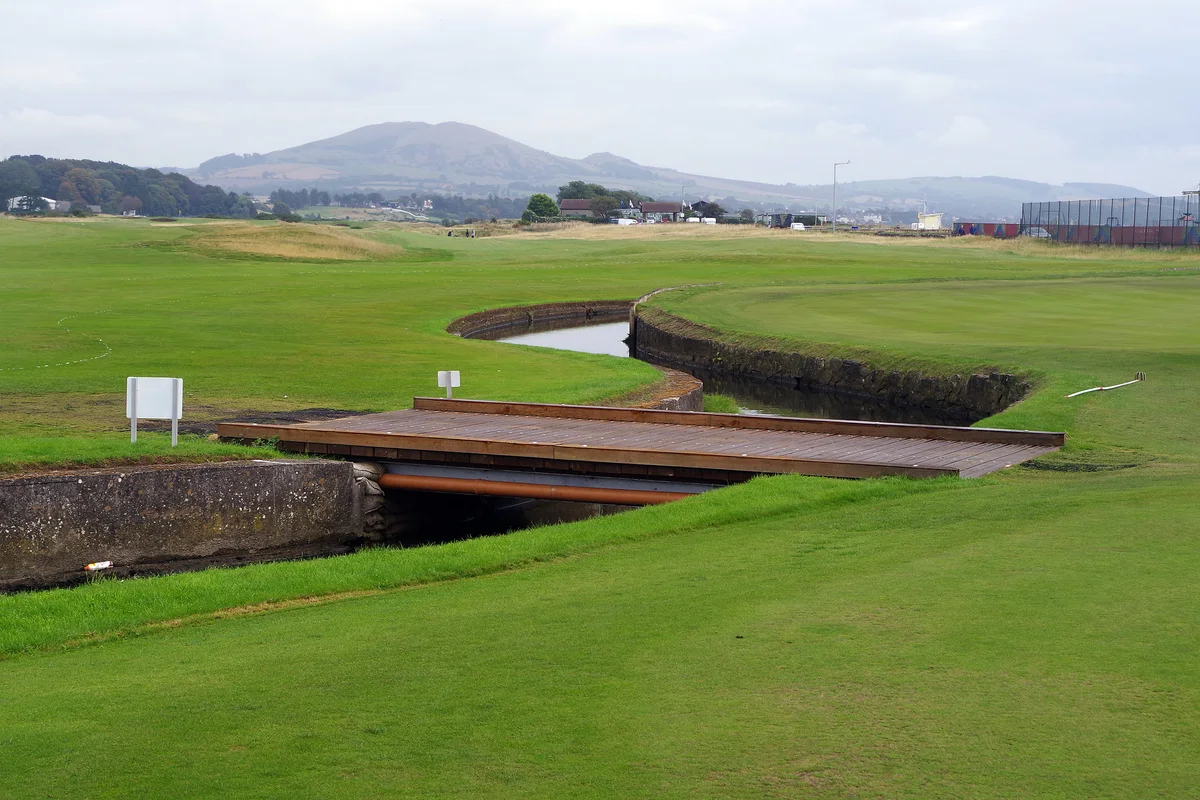
The Old Course
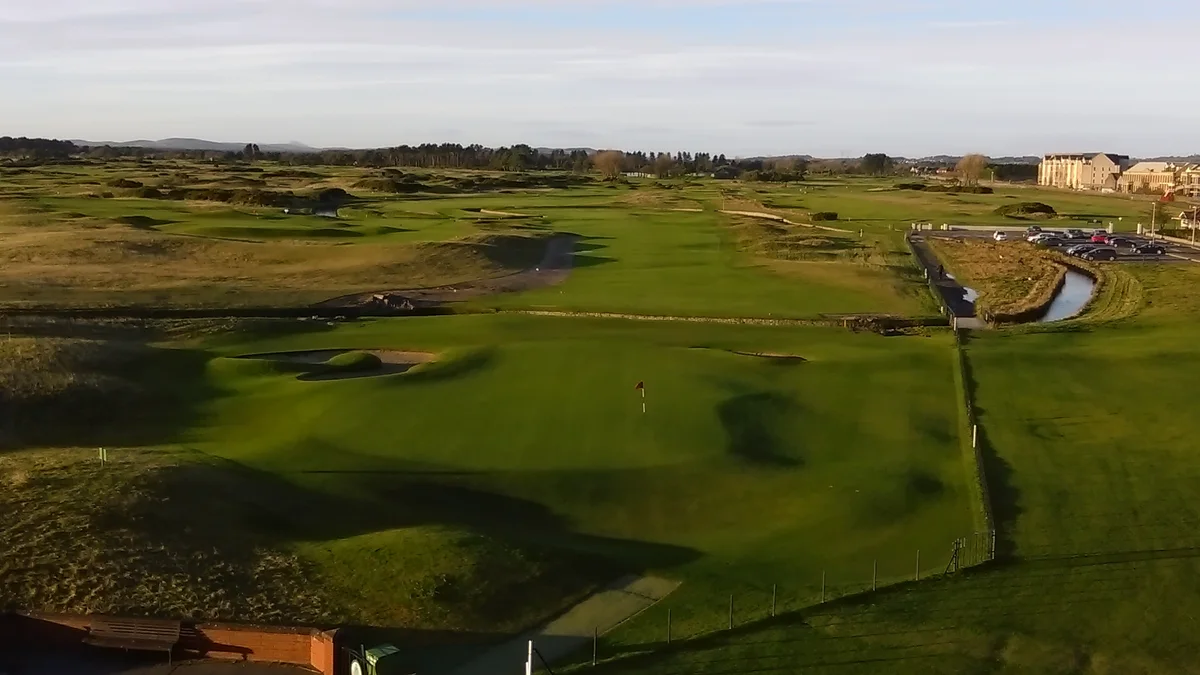
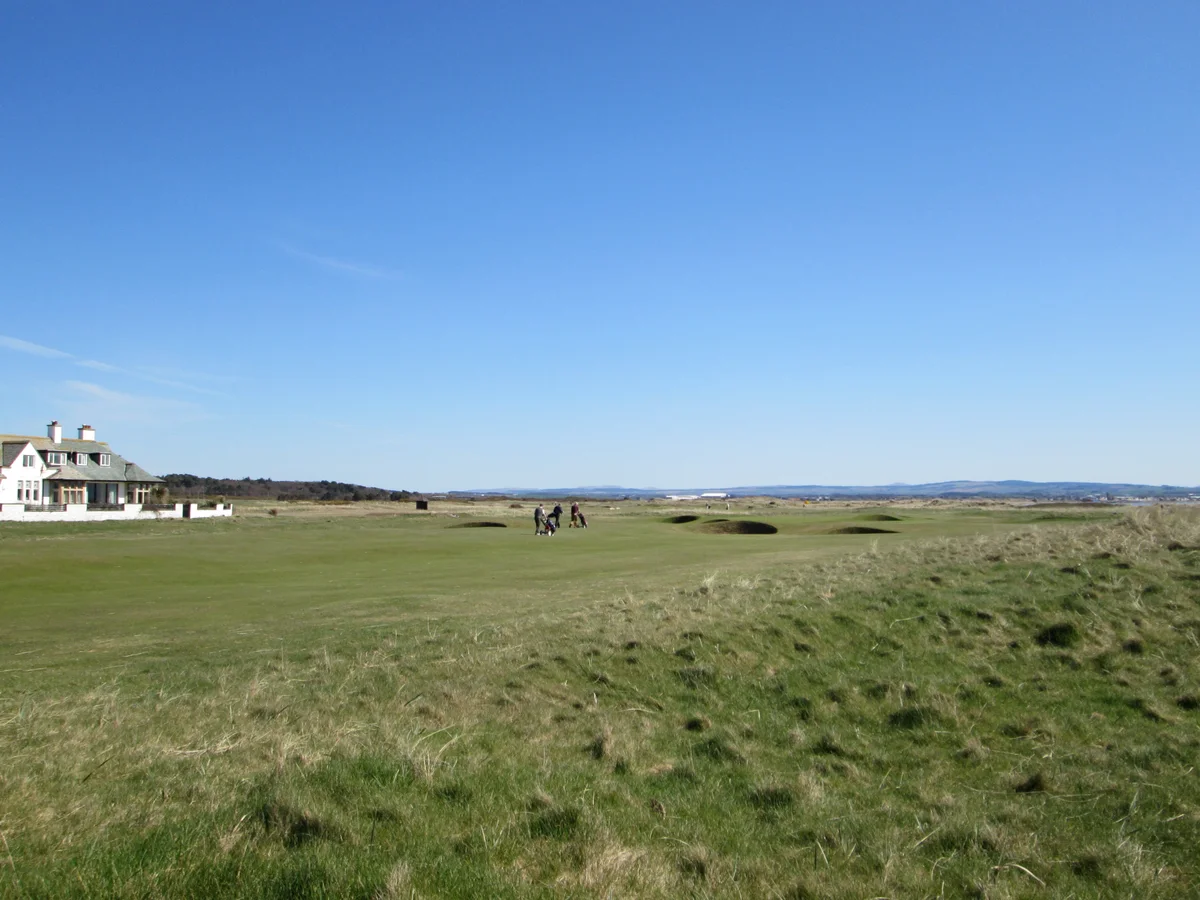
Shared greens, the Swilcan Bridge, and the town where golf feels at home.
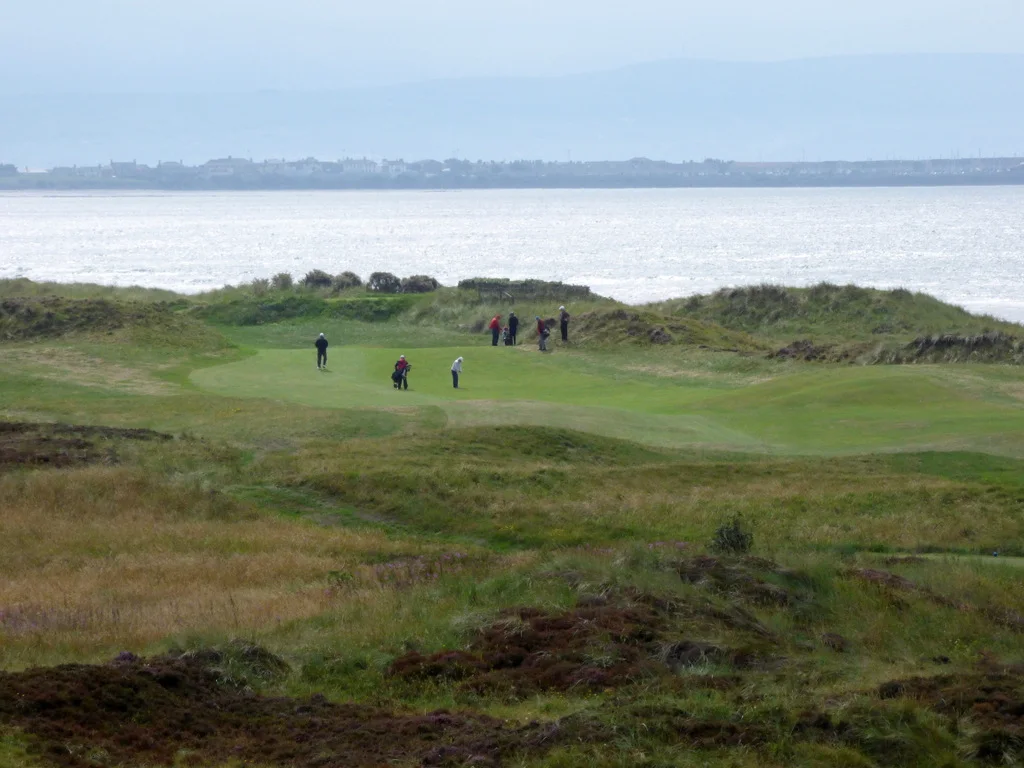
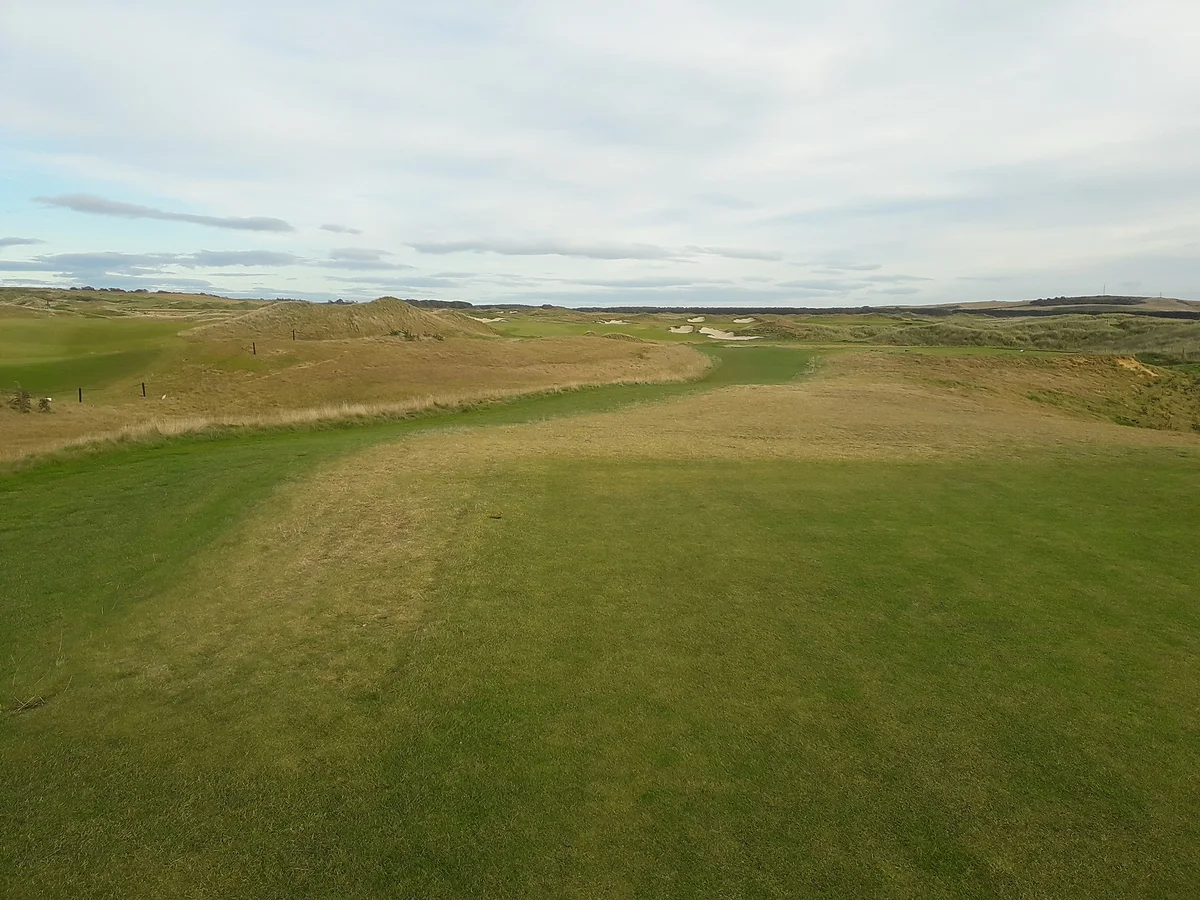
Scotland is where most golfers come to understand links golf, and most of its great courses are open to visitors. The Old Course, Carnoustie, Royal Troon and North Berwick are clubs or public links with set visitor times, not private estates. The catch is demand. Summer tee times at the best-known courses go months ahead, several clubs book only by email, and the Old Course is partly allocated by ballot. A good trip picks one or two regions, books the hardest tee time first, and fills the gaps with the strong second-tier courses that every region has. Distances look small on a map but add up on Highland roads, so think in clusters: Fife and Angus, East Lothian, Ayrshire, the Highlands, or Perthshire for inland resort golf. Long northern summer evenings make 36-hole days easier than you might expect.
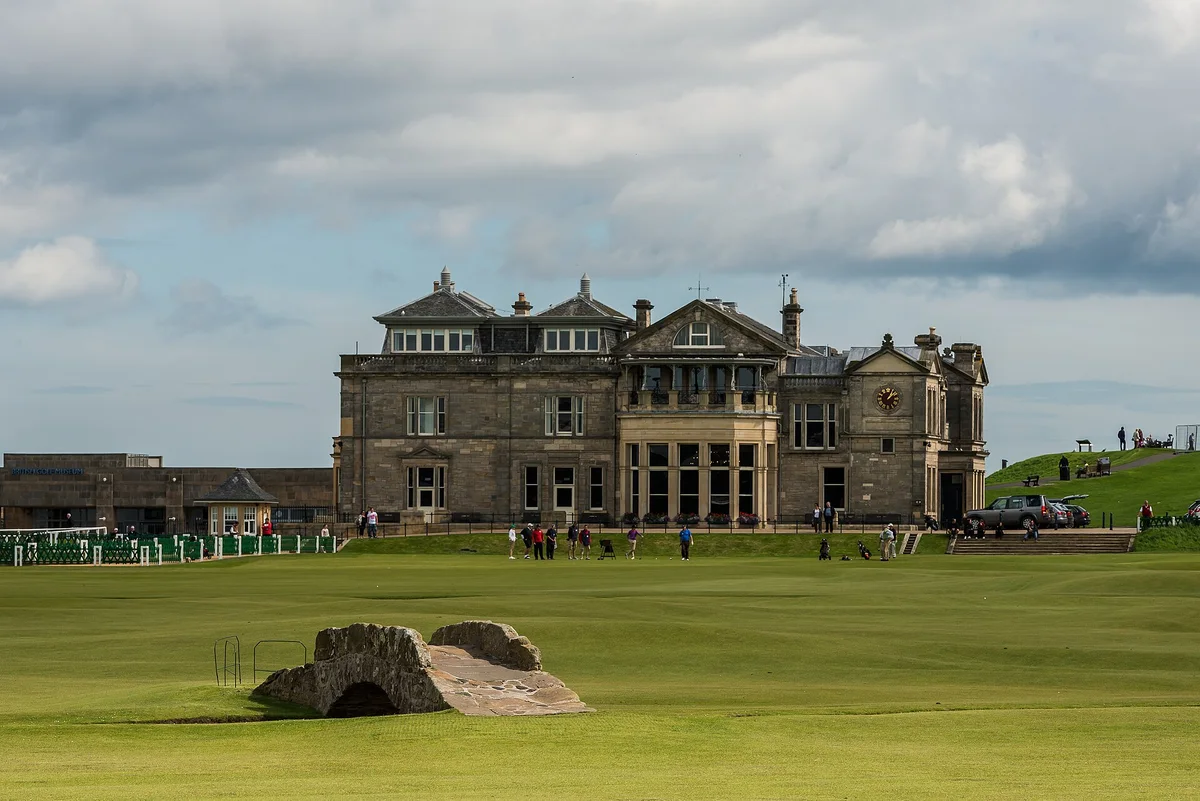
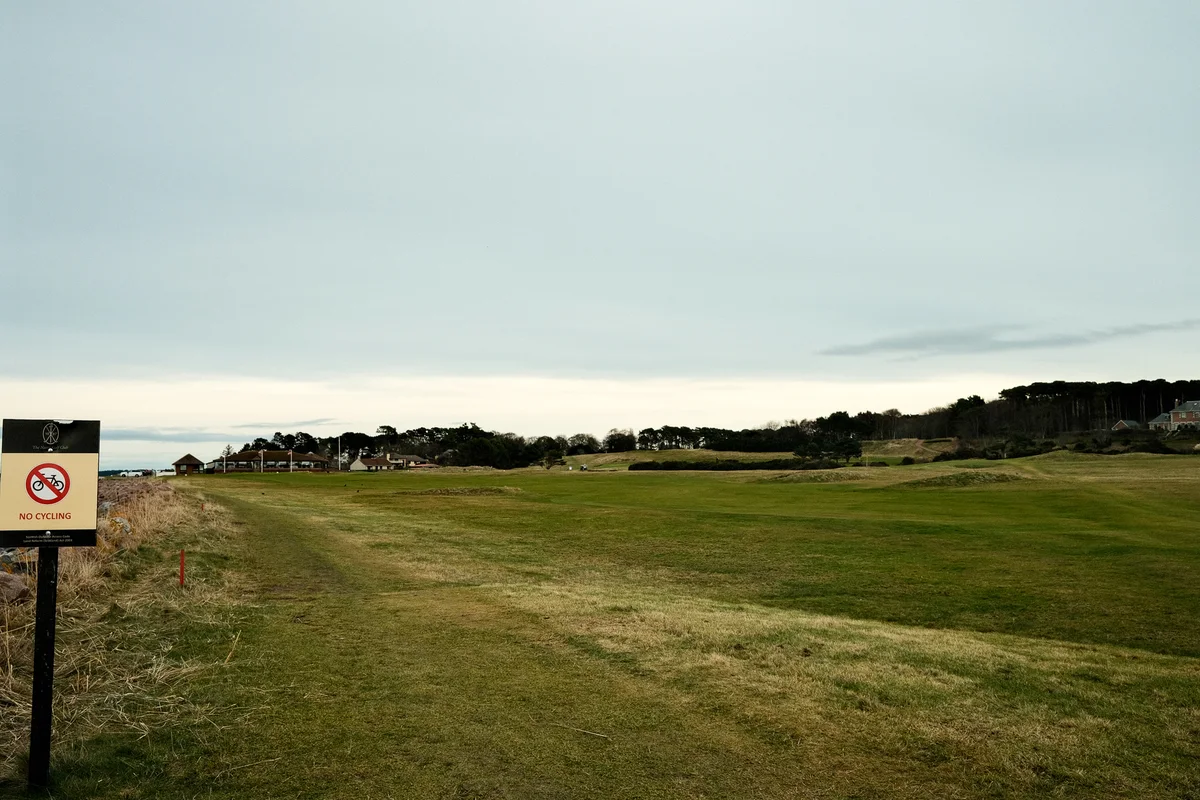
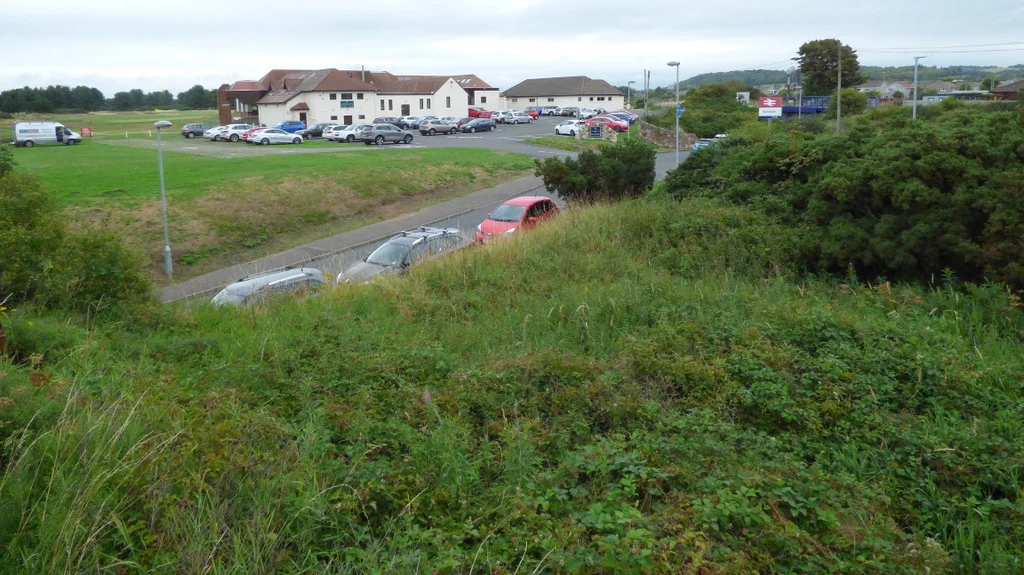
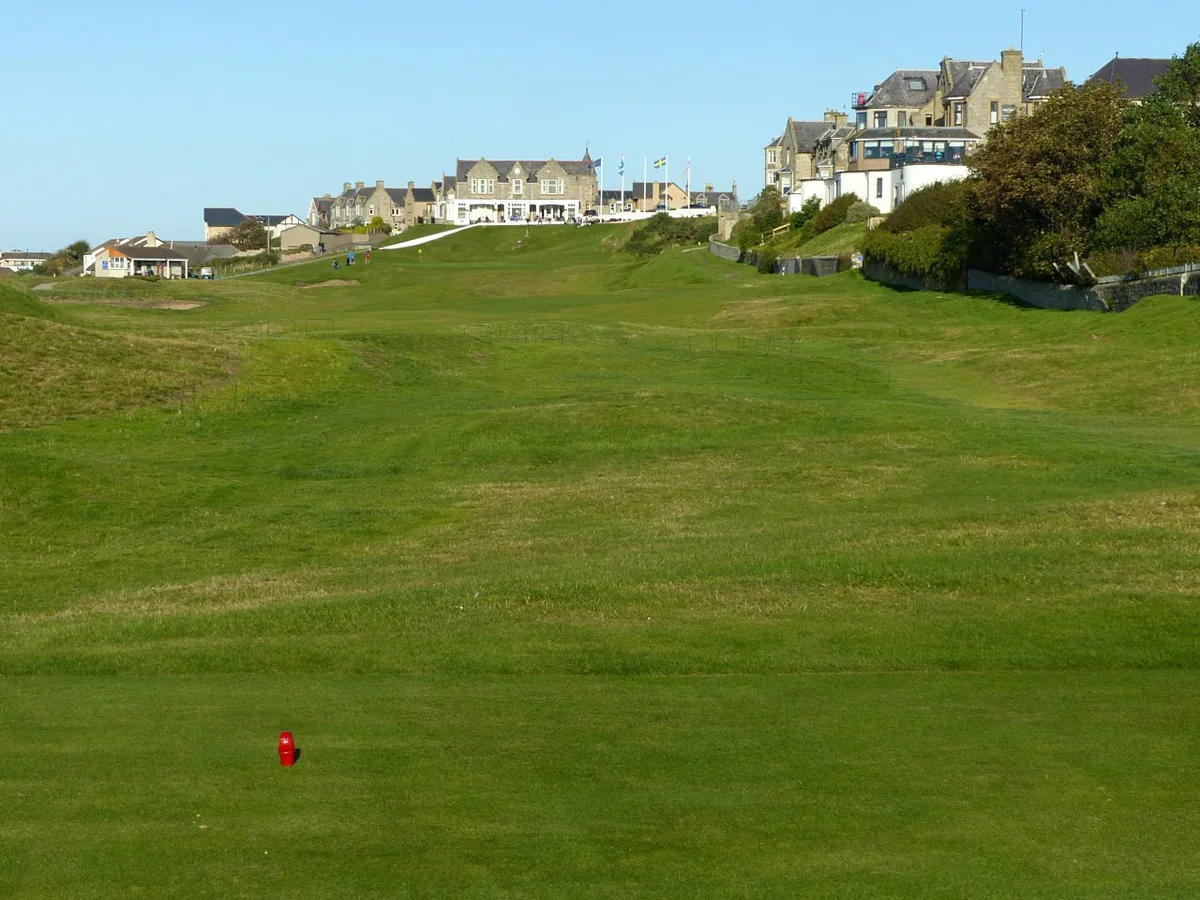
Shared greens, the Swilcan Bridge, and the town where golf feels at home.
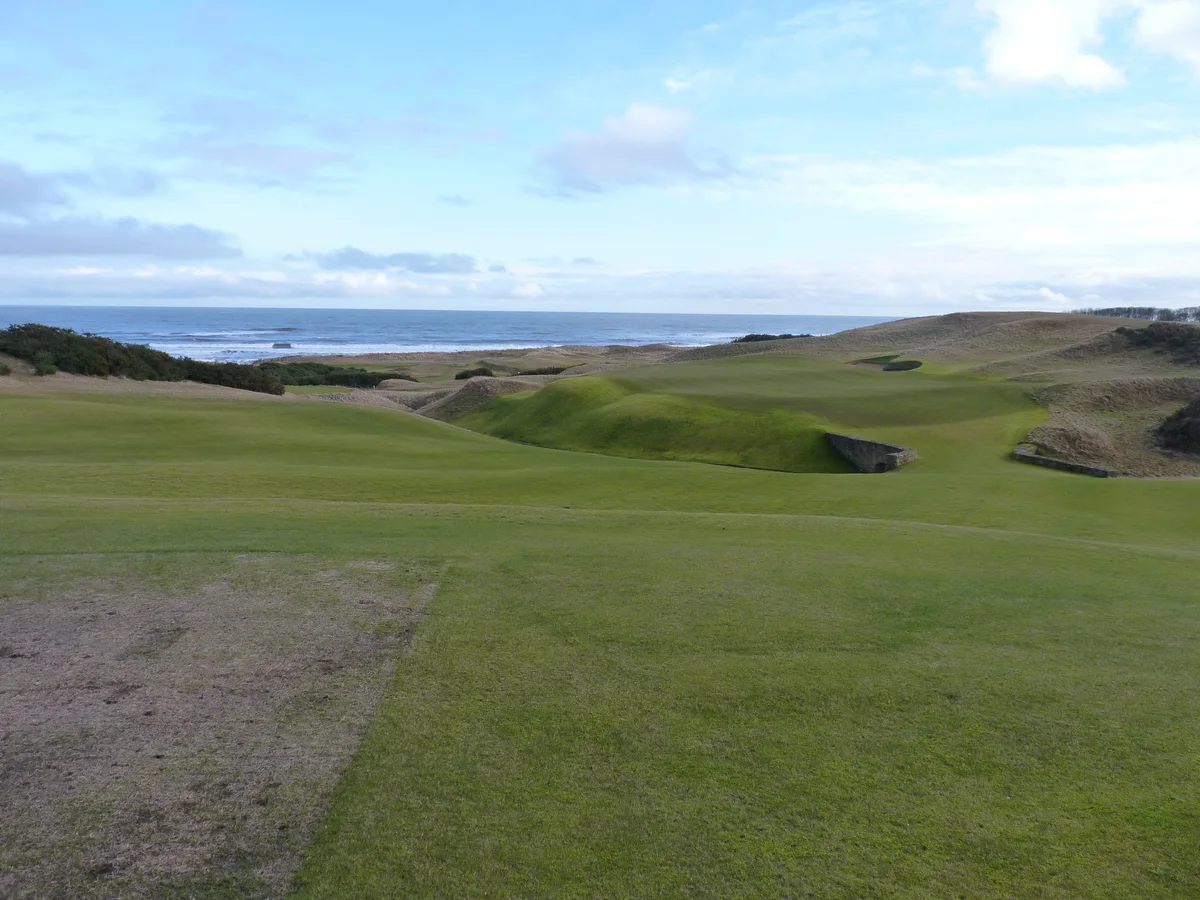
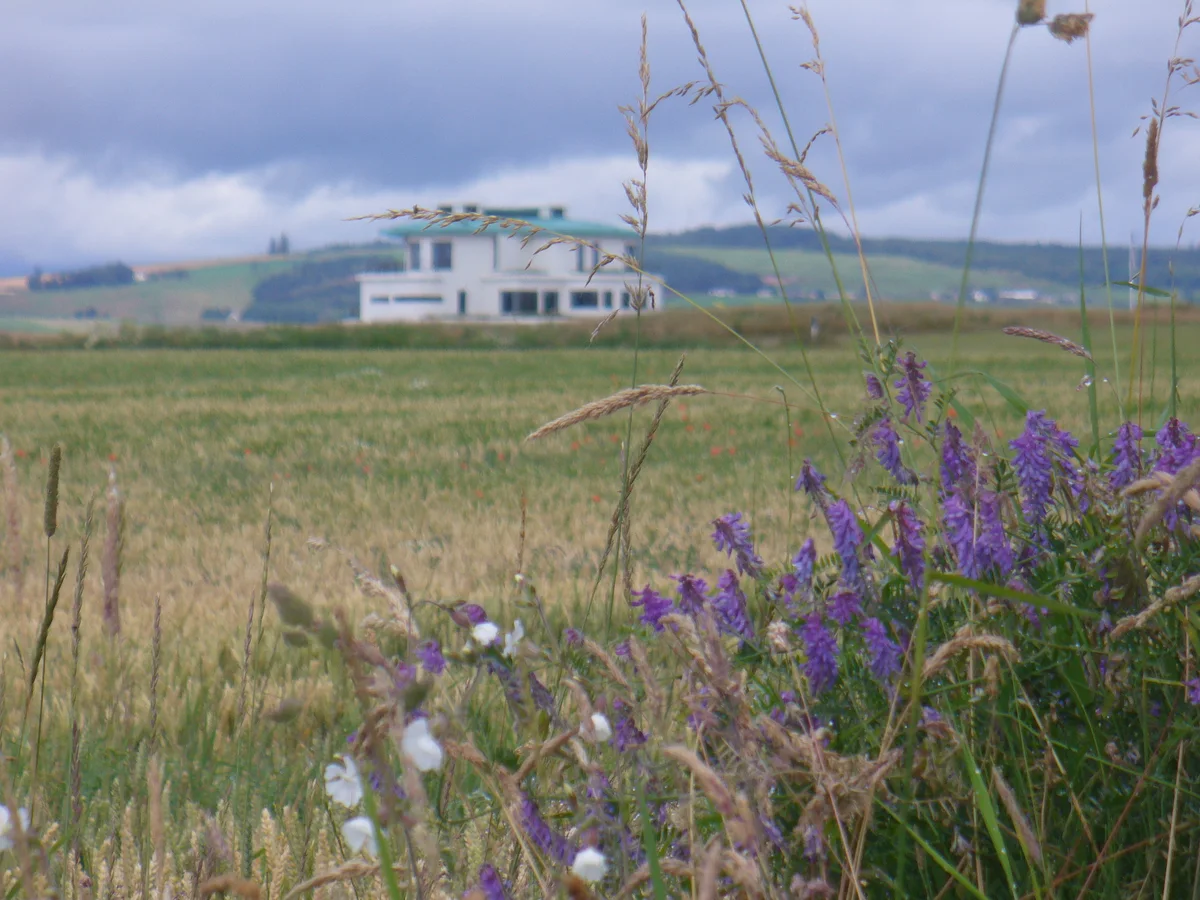
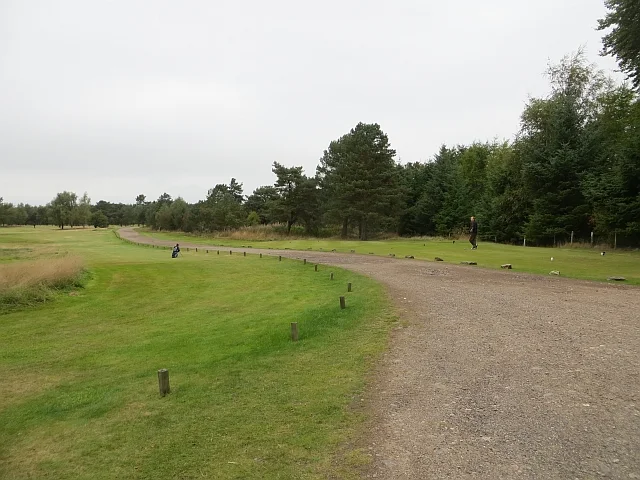
A modern links shaped by hand above the Fife shore, six miles from St Andrews.
Eight Opens, the Barry Burn and a finish that has humbled the best in the game.
Plateau greens and long northern evenings where Donald Ross learned the game.
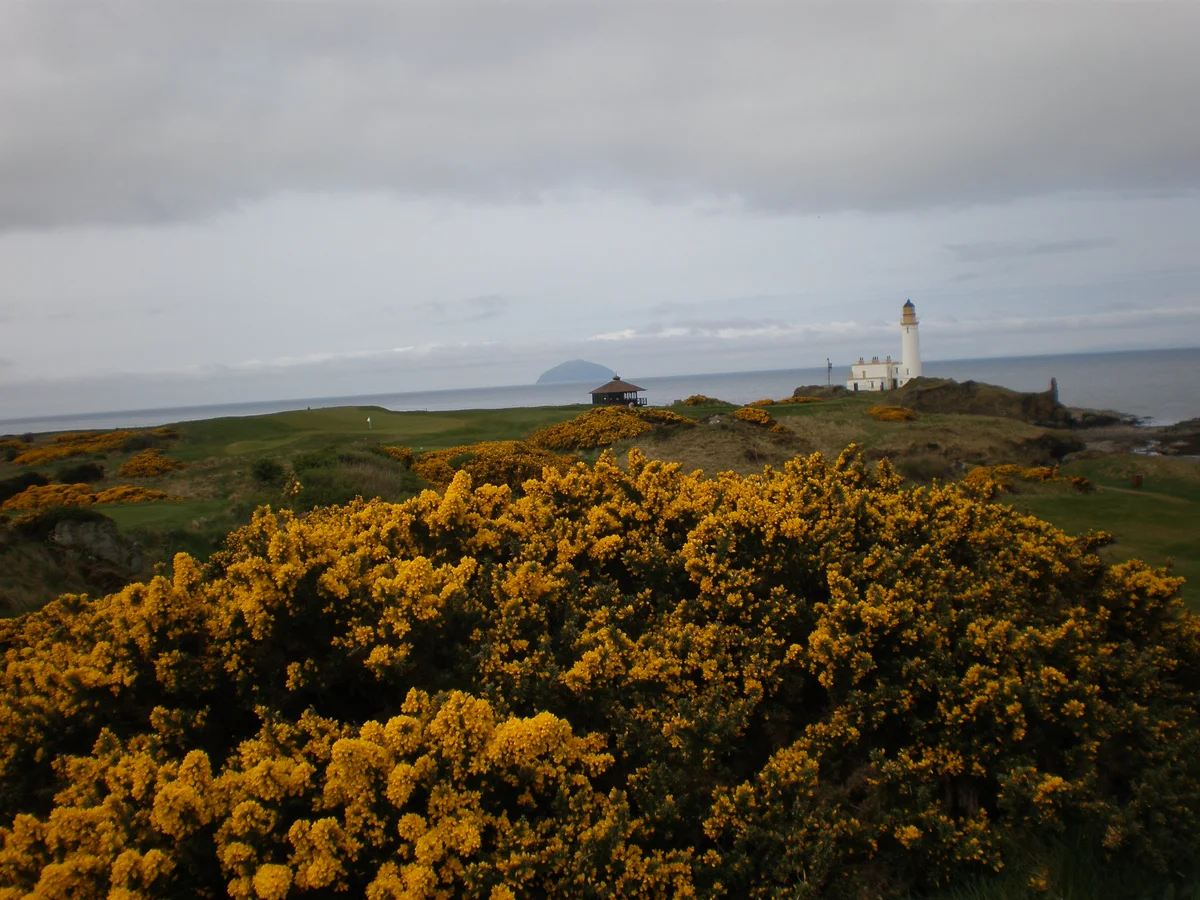
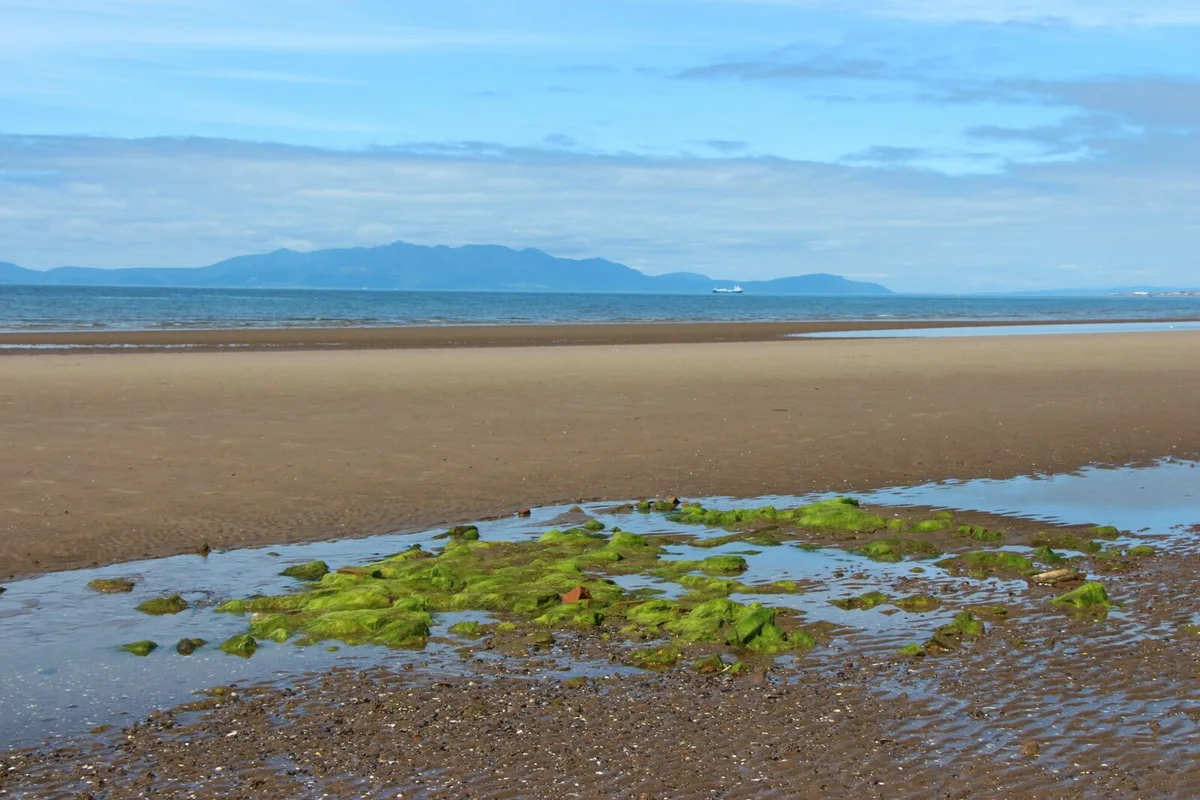
Four Opens beside the lighthouse, with Ailsa Craig out in the Firth of Clyde.
Wide Moray Firth links five minutes from Inverness Airport, now with a second course.
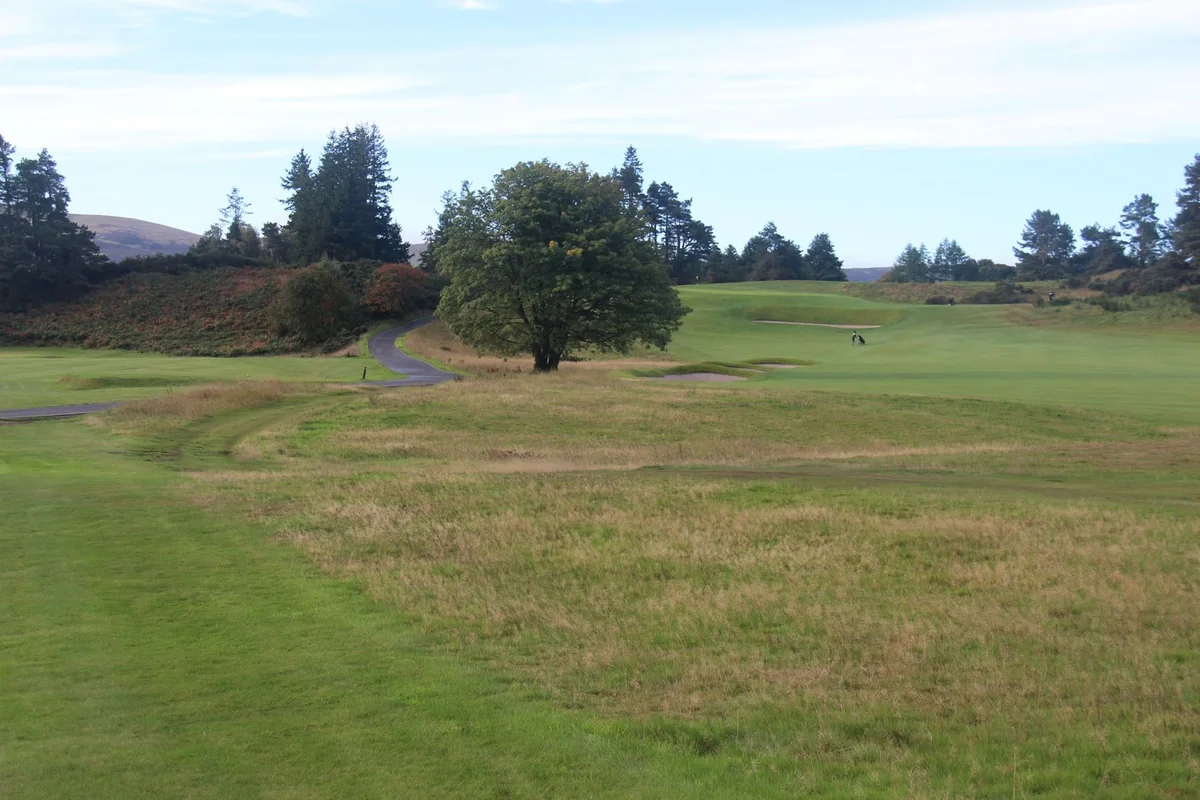
Braid’s moorland courses and a Ryder Cup venue under the Ochil Hills.
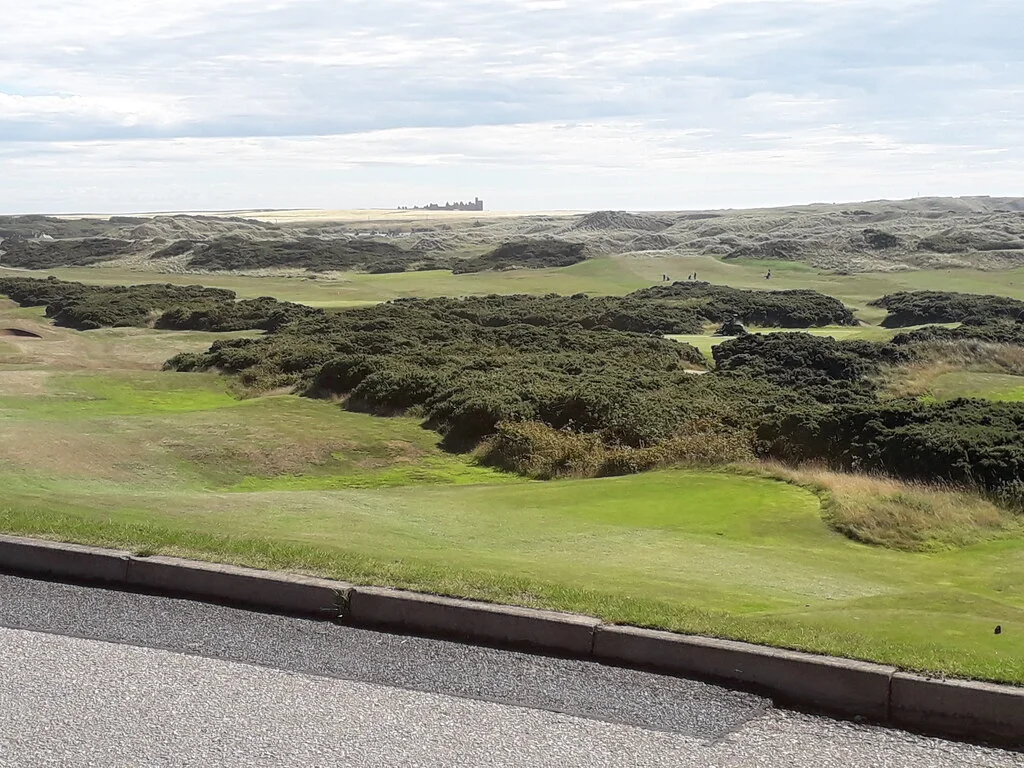
Towering dunes, blind shots and a railway-era links north of Aberdeen.
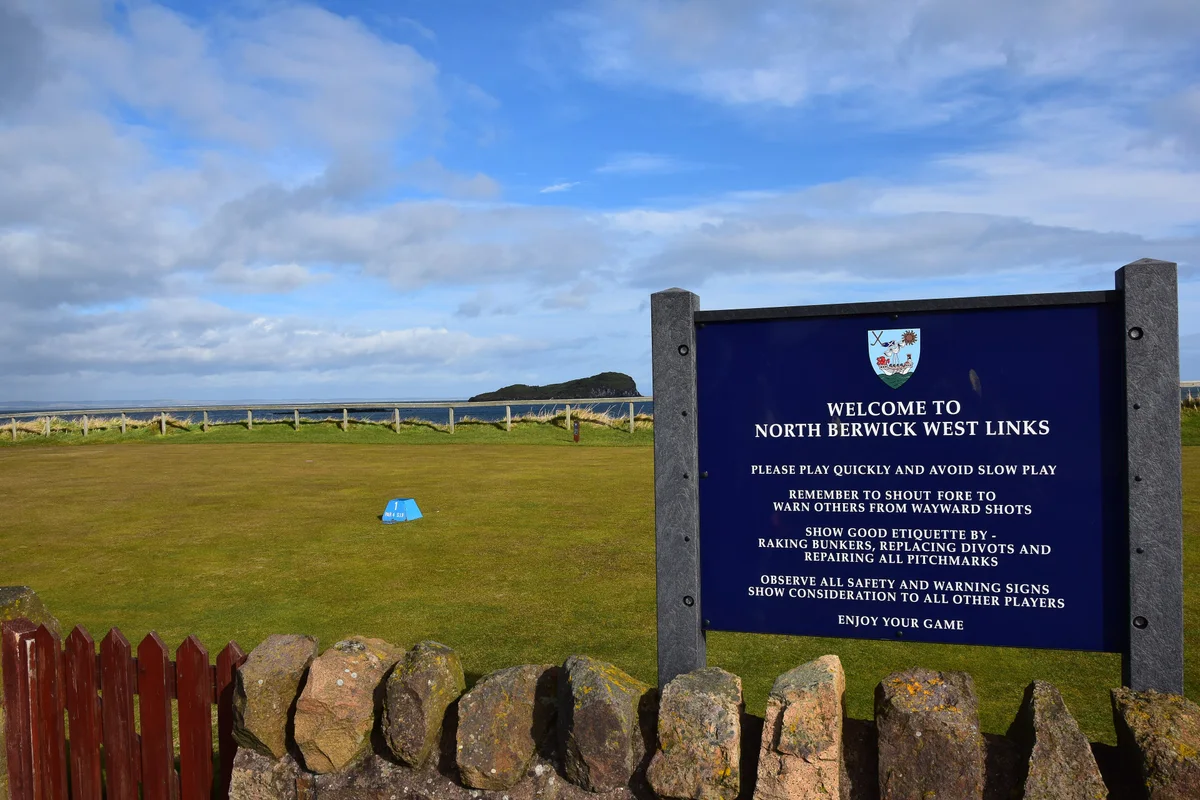
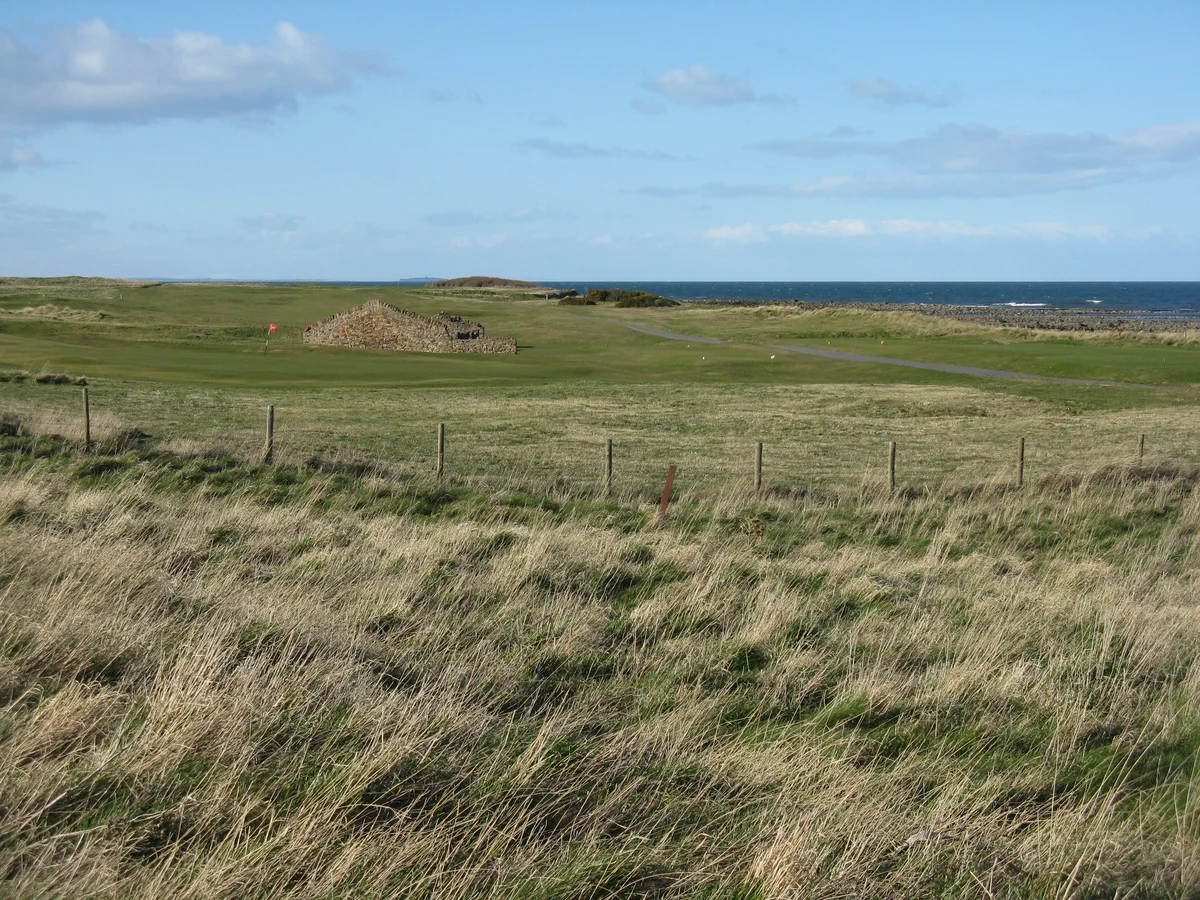
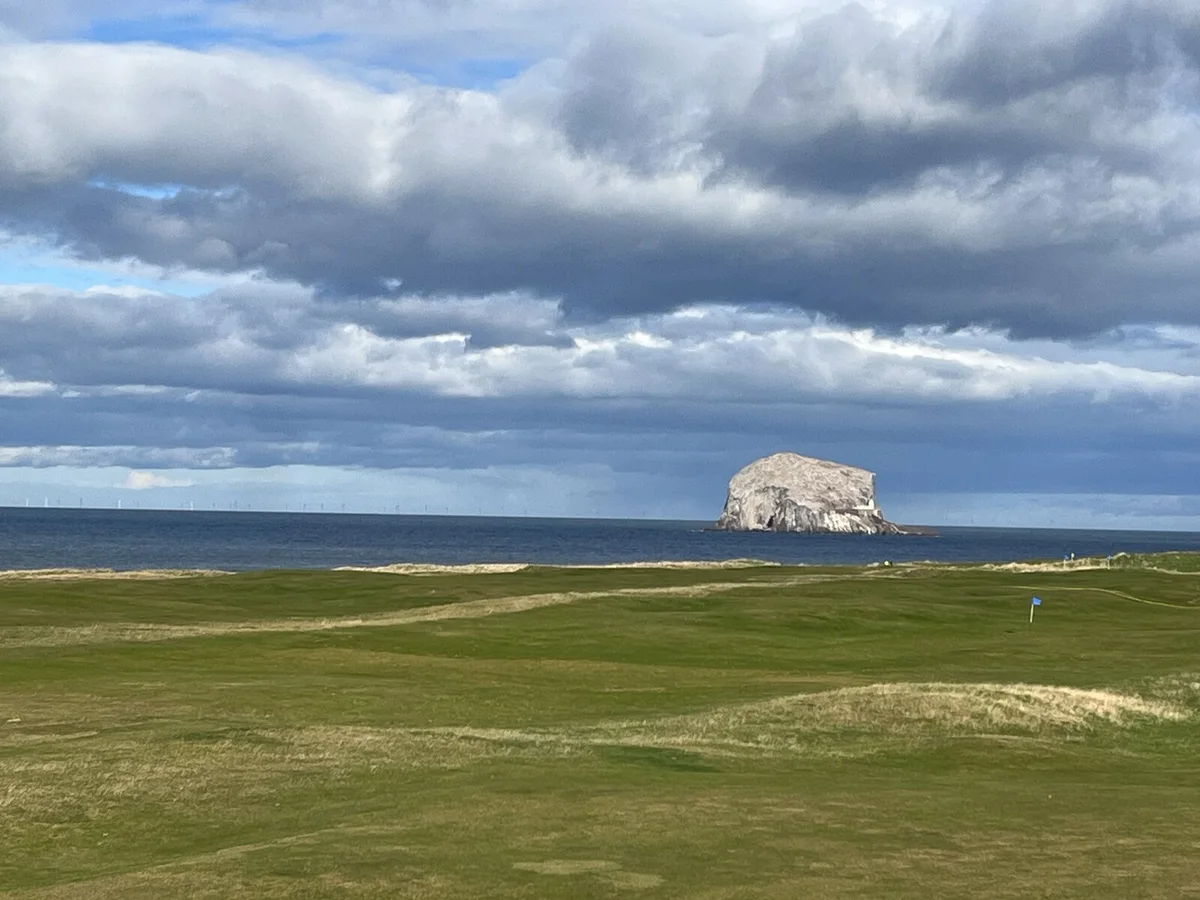
Stone walls, the original Redan and the Bass Rock, a train ride from Edinburgh.
Ten Opens, the Postage Stamp and visitor days three times a week.
Sixteen Opens, two loops of nine and visitor tee times only on Tuesdays and Thursdays.
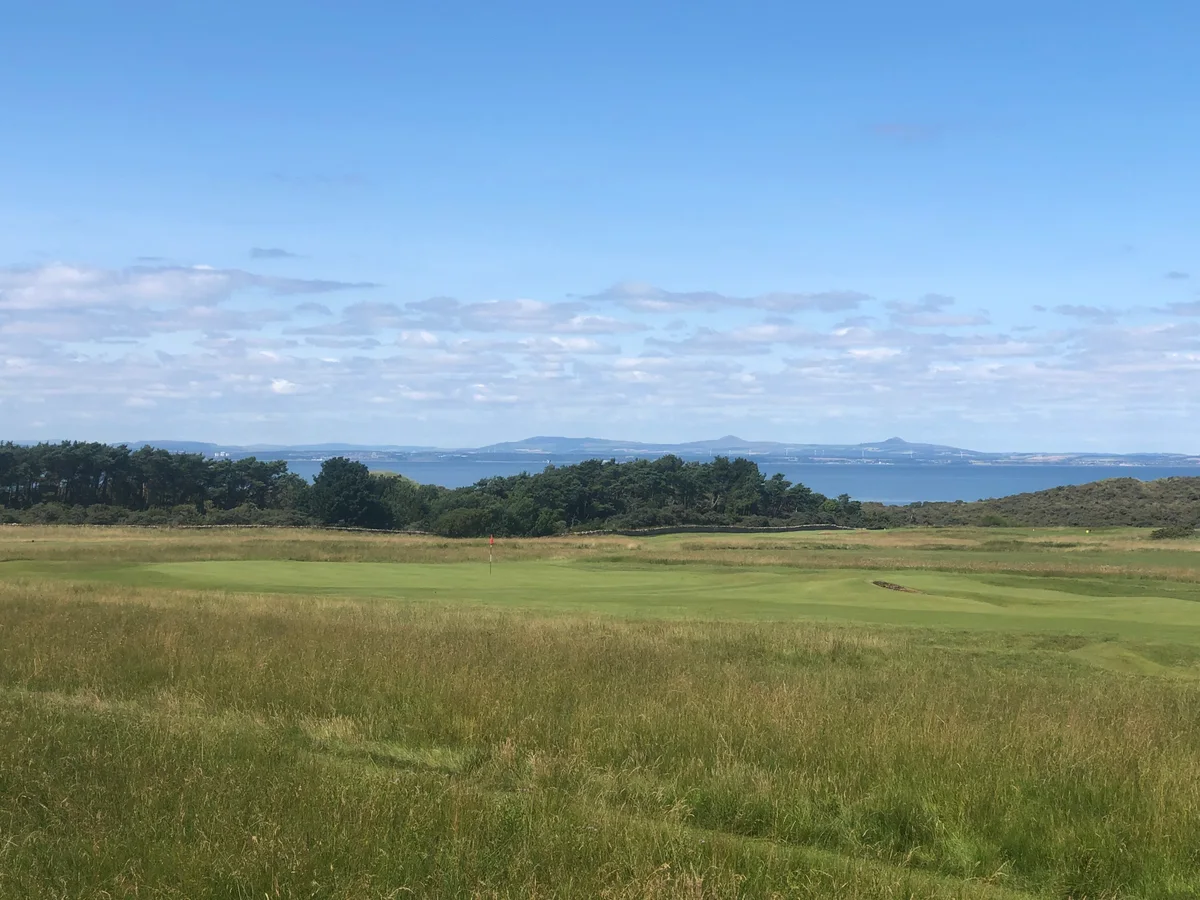
A links that climbs Gullane Hill for a view over Edinburgh, Fife and the Forth.
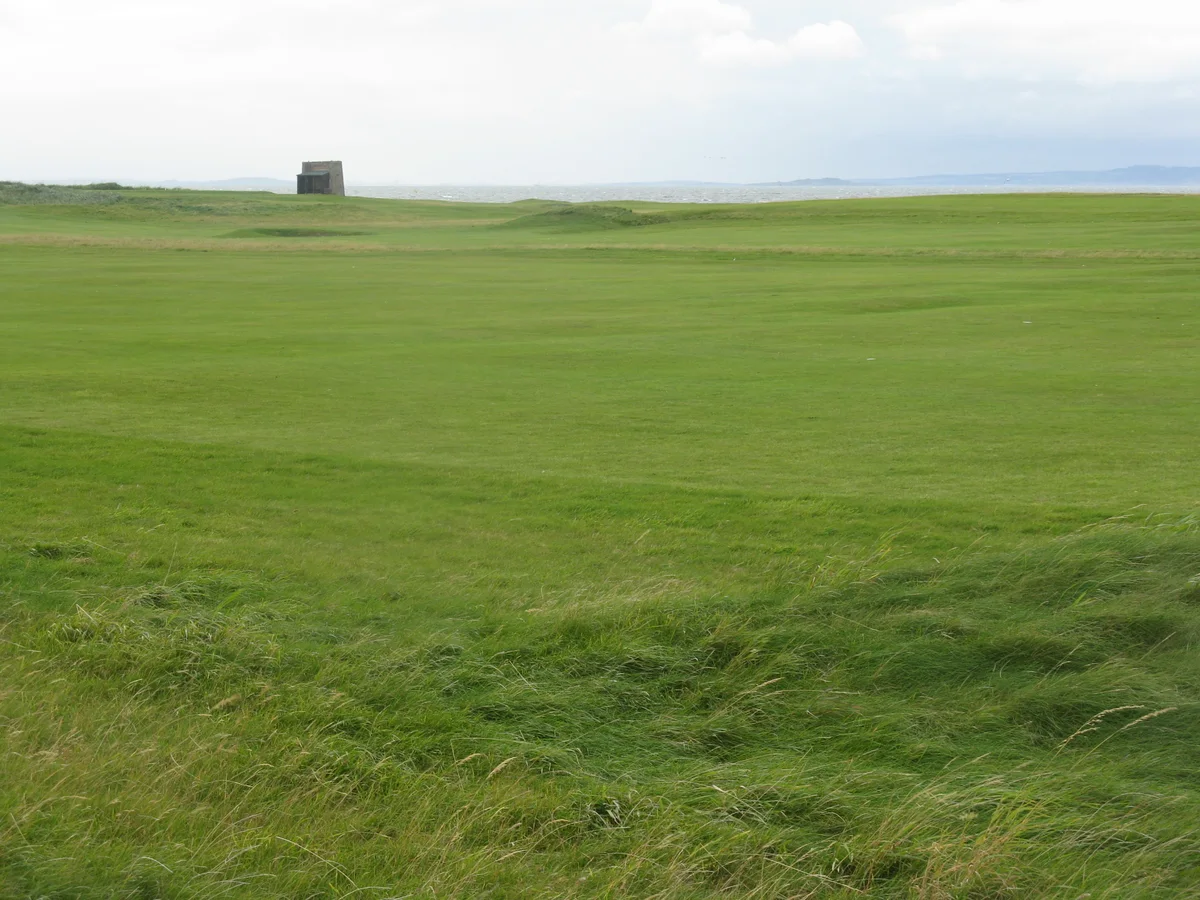
Where The Open began in 1860, with blind holes the railway still runs past.
A narrow strip of Ayrshire dunes between the railway and the Firth of Clyde.
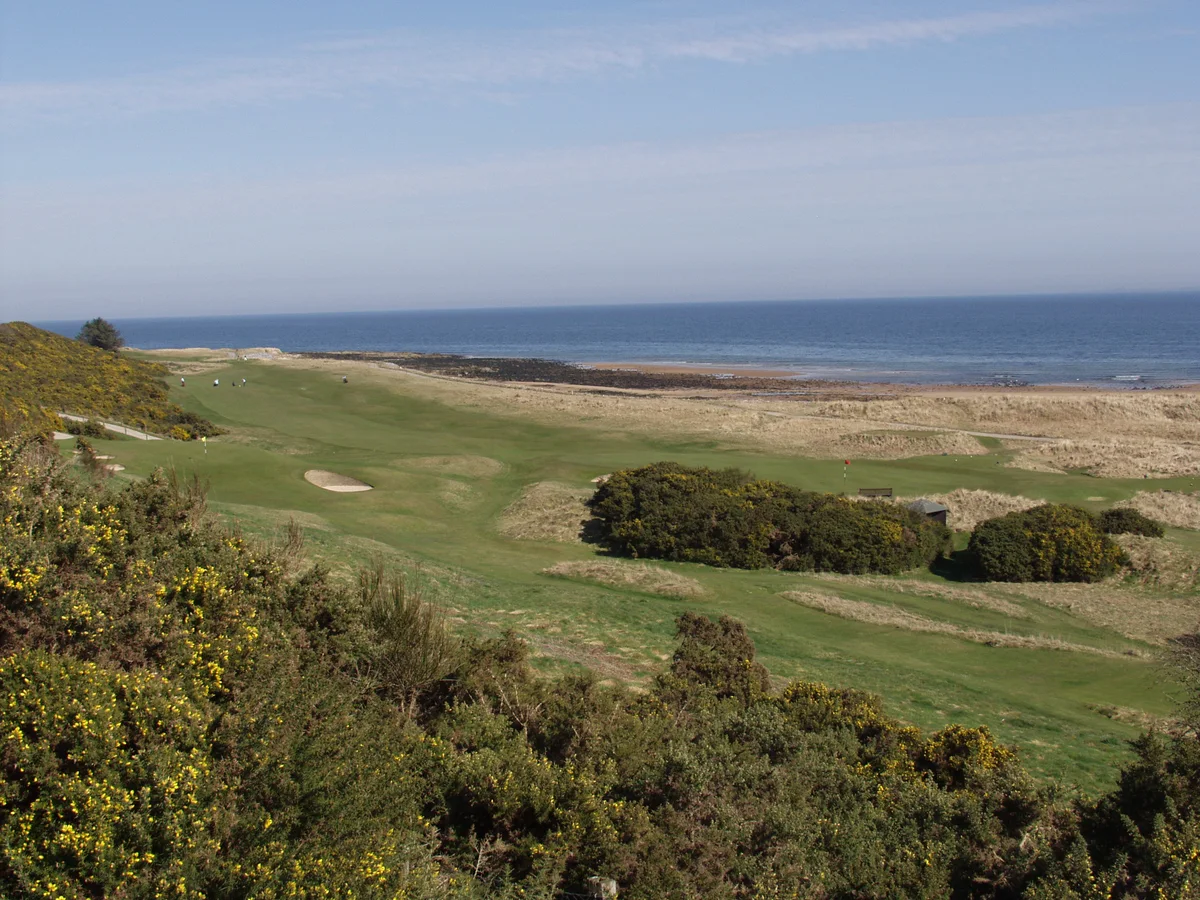
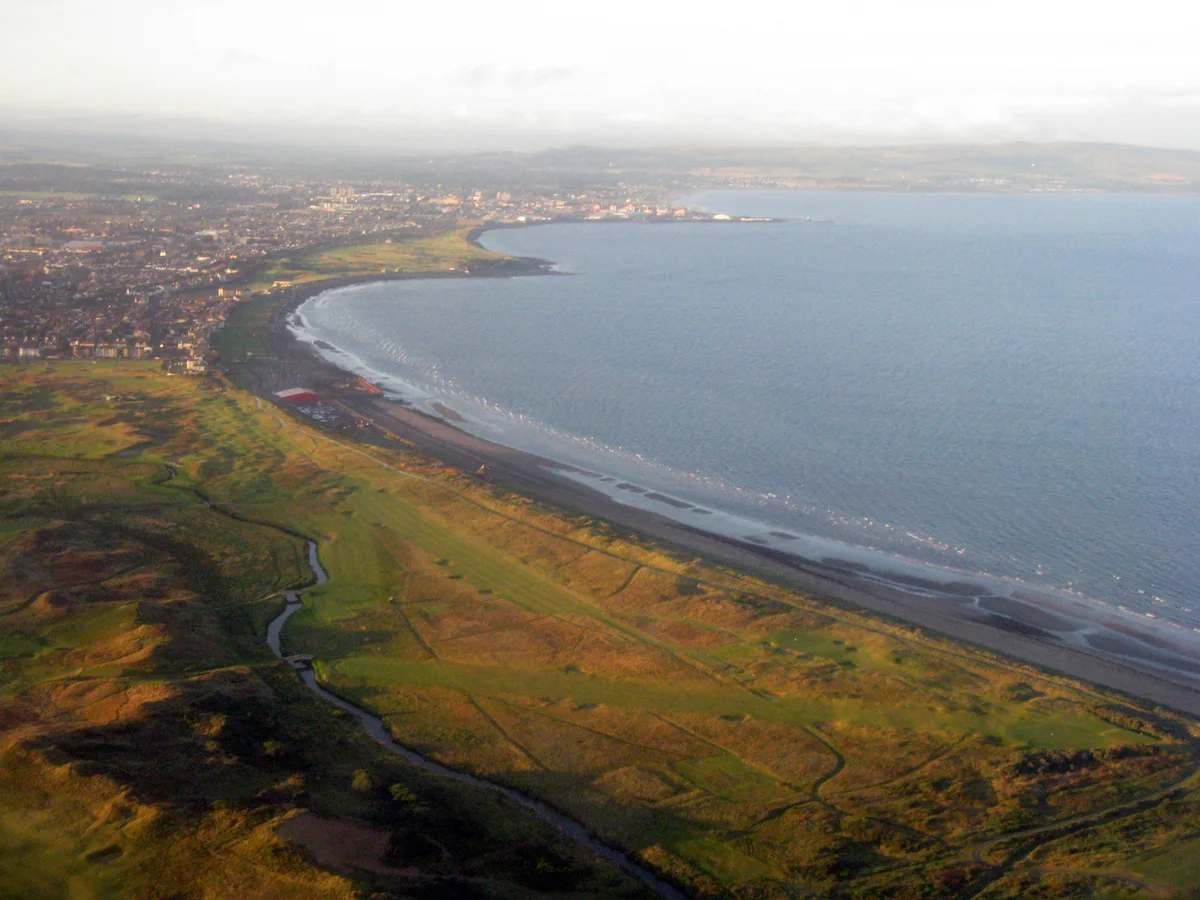
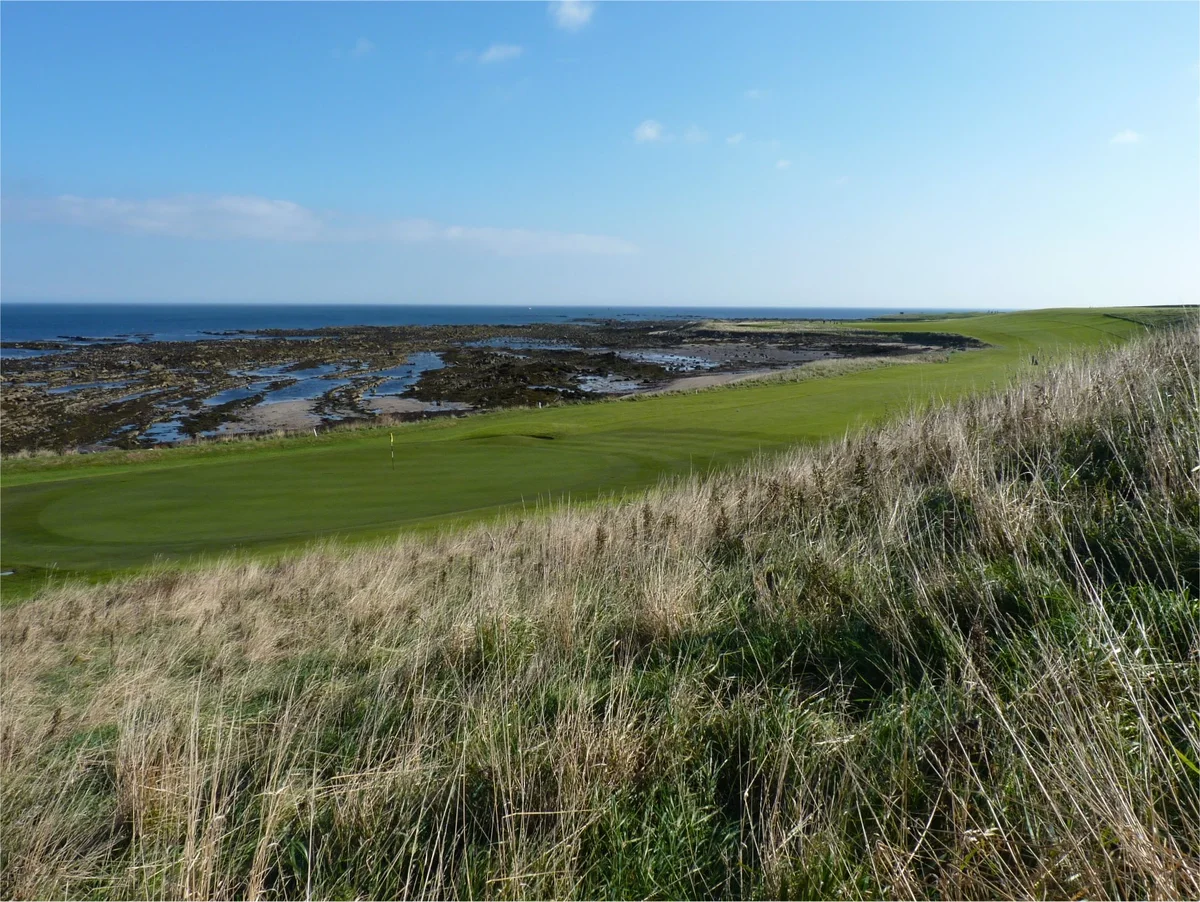
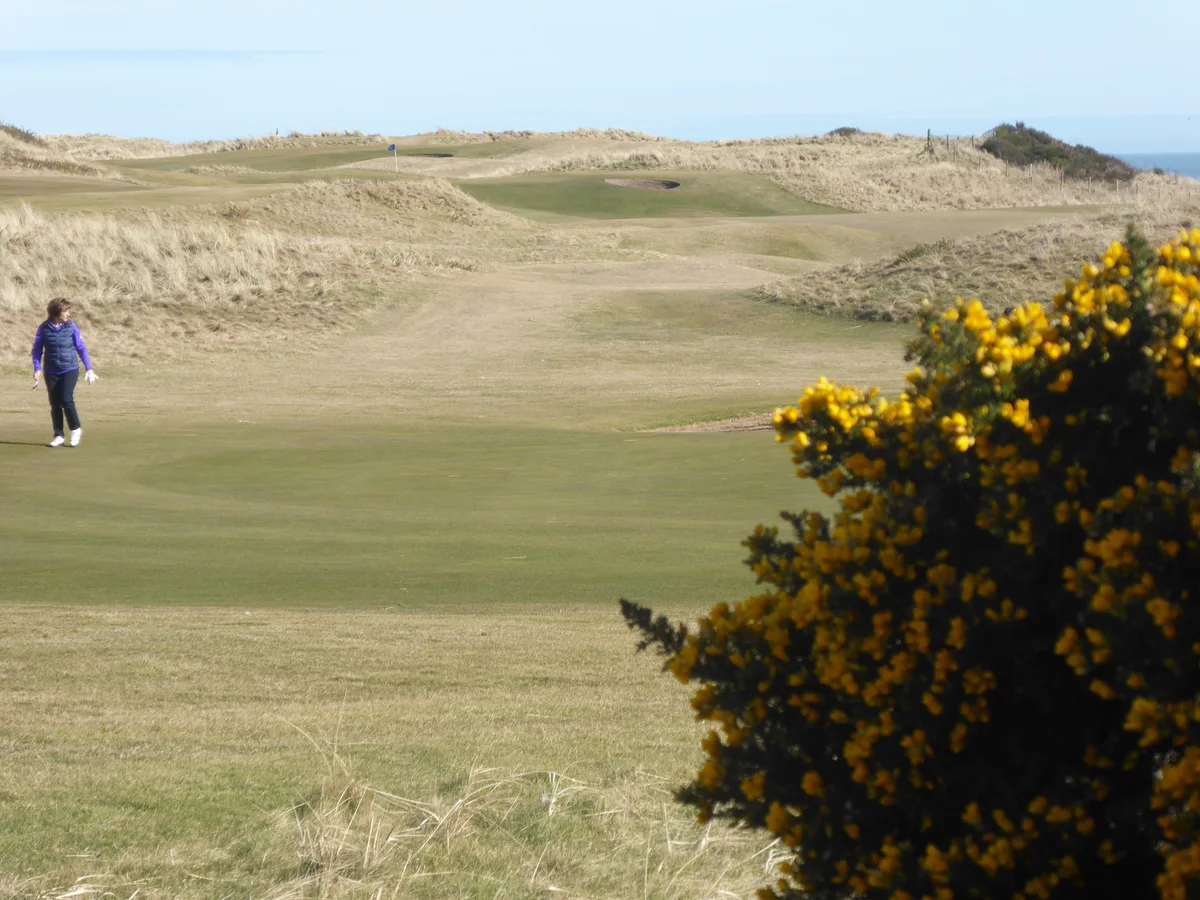
The Links Trust’s clifftop seventh, with views back across the bay to the town.
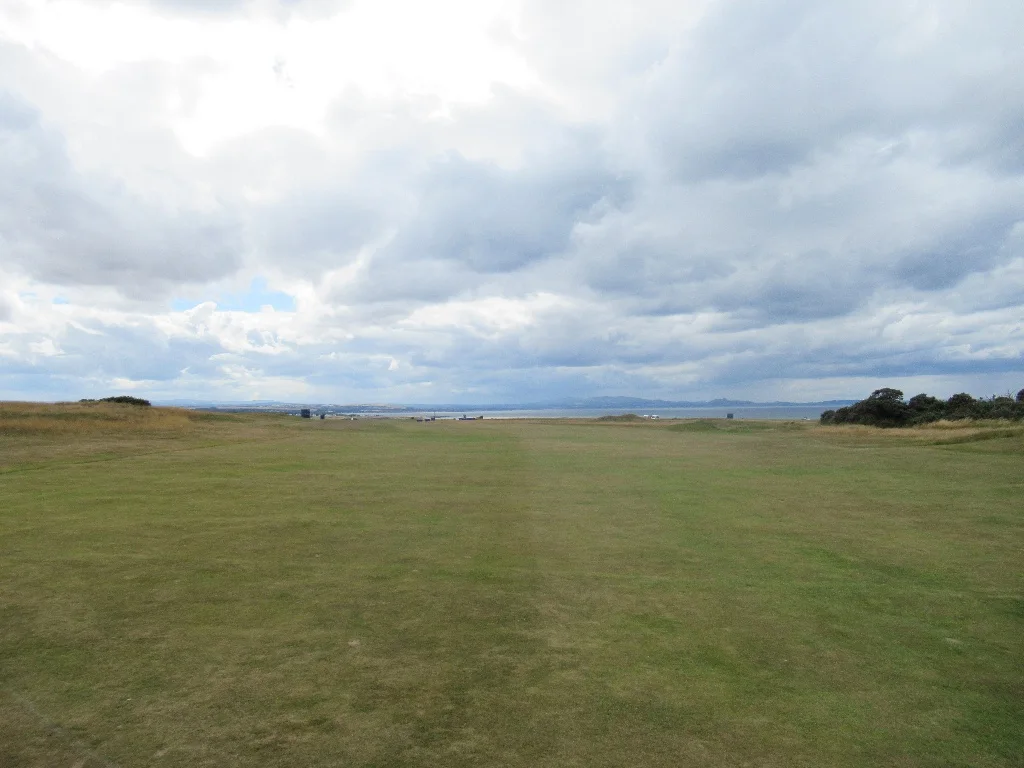
A 2020 links on Largo Bay, wide enough to swing freely and firm enough to think.
Old Tom Morris’s Balcomie and Gil Hanse’s Craighead on the eastern tip of Fife.
A Moray Firth links with the sea in view from every hole.
The world’s sixth-oldest club, with a front nine threaded through a dune valley.
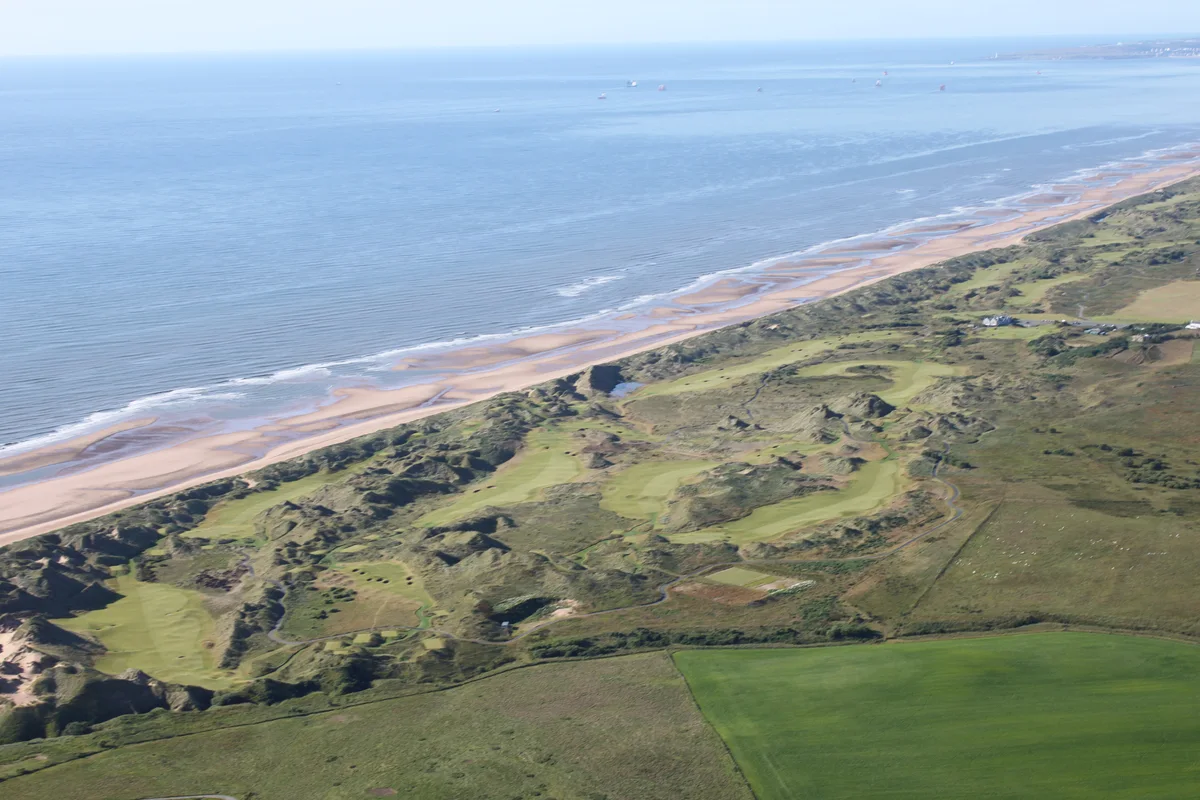
Two Martin Hawtree links laid through the big Menie dunes, ten miles north of Aberdeen.
A Kyle Phillips links among gorse and pines, with Open qualifying and lodges on site.
Destination imageryA 27-hole links north of Troon, 50 metres from Barassie railway station.
An Old Tom Morris links that opens with a drive across the corner of the beach.
David McLay Kidd’s light-touch links on protected dunes, with only tees and greens shaped.
An 1891 island links above Laggan Bay, reworked by D.J. Russell, with a hotel on the course.
A thin ribbon of links between a red sandstone wall and a rocky North Sea shore.
Under 5,500 yards of old links on the edge of Aberlady Bay, reached by a single-track road.
Harry Colt’s 1921 layout, half among pines and half by the Firth of Forth.
A Donald Steel links with rooms above the clubhouse and Aberlady Bay next door.
North Berwick’s East Links on the clifftop, with the Bass Rock beside play.
No par fives, a blind opening drive and a submarine periscope to clear it.
Braid’s links on Largo Bay, climbing over an old railway to a par three called Perfection.
Two old clubs, one links, and a closing par four over the Scoonie Burn.
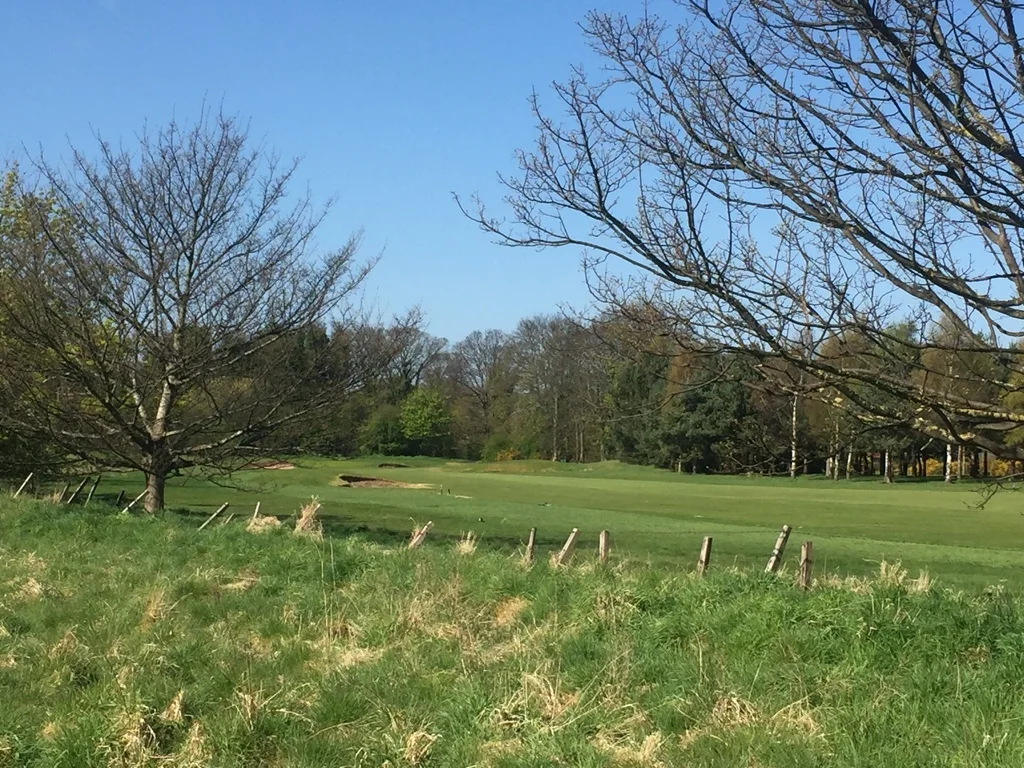
Pine, heather and birch inland from St Andrews, on an Open qualifying course.
A 1923 Braid plan, barely touched, running out along Kintradwell Bay and back.
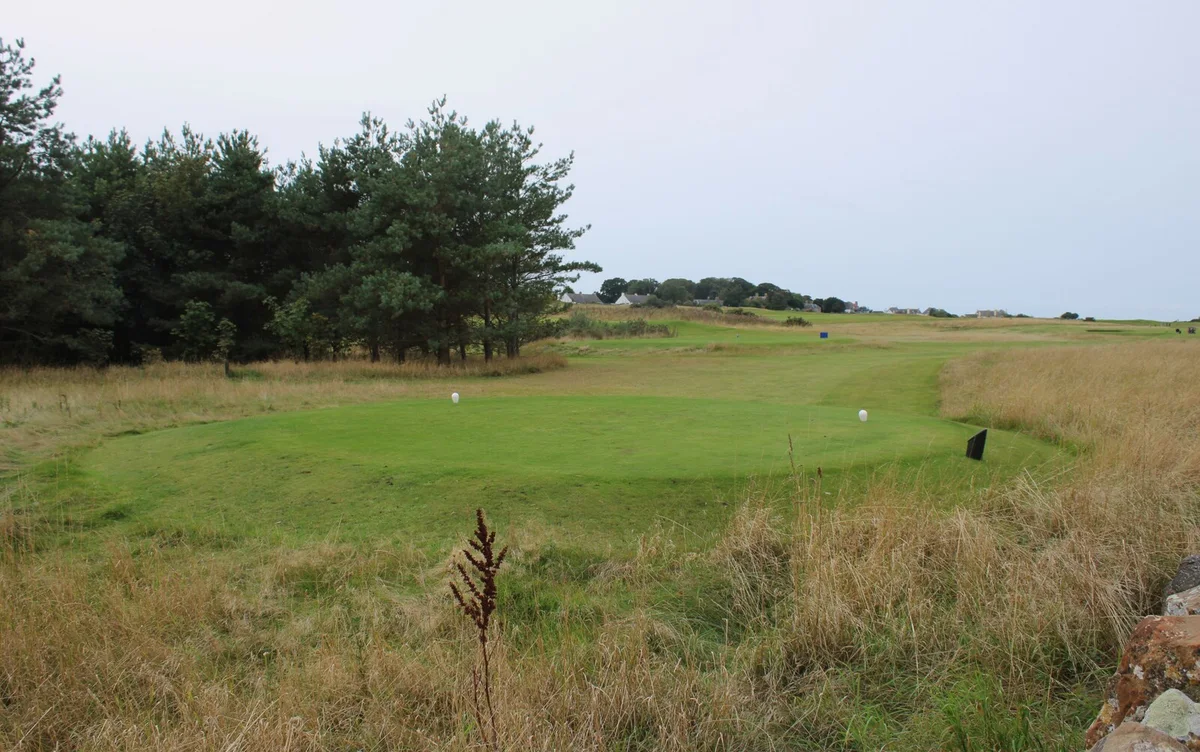
Old Tom Morris’s 1889 links, finishing in a hollow below the clubhouse windows.
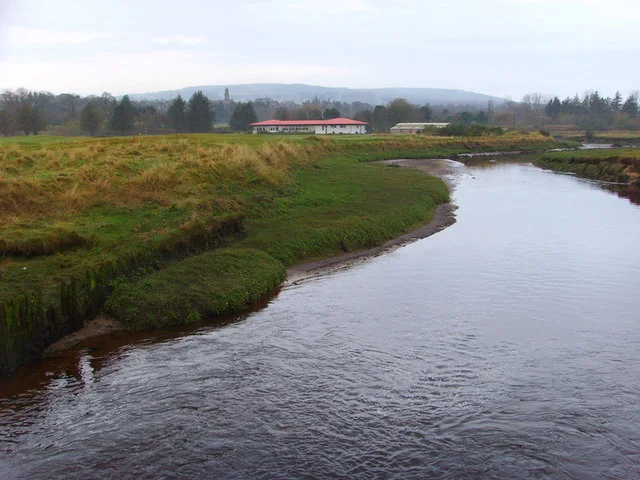
Old Tom Morris holes on the Dornoch Firth, with the River Tain looping through the finish.
The east-end links of Nairn, gently rolling and opened by Lady Dunbar in 1899.
The deepest cluster in the country. St Andrews has the Old Course and six other Links Trust courses, Kingsbarns is 15 minutes south, and Crail’s Balcomie Links sits at Fife Ness. Carnoustie is 40 minutes north across the Tay, so you can play an Open venue each day without changing hotel.
Stay in Carnoustie to walk to the Championship Course from the station or the hotel behind the 18th green. Panmure and Monifieth are next door, Montrose Medal 25 minutes north. Prices are lower than in St Andrews, and Dundee’s waterfront is 20 minutes away.
North Berwick, Gullane, Muirfield, Dunbar and Kilspindie lie within 20 minutes of each other on the Firth of Forth, and Edinburgh is under an hour away. North Berwick is 35 minutes from Edinburgh Waverley by train, making it the easiest base for a city-and-golf trip.
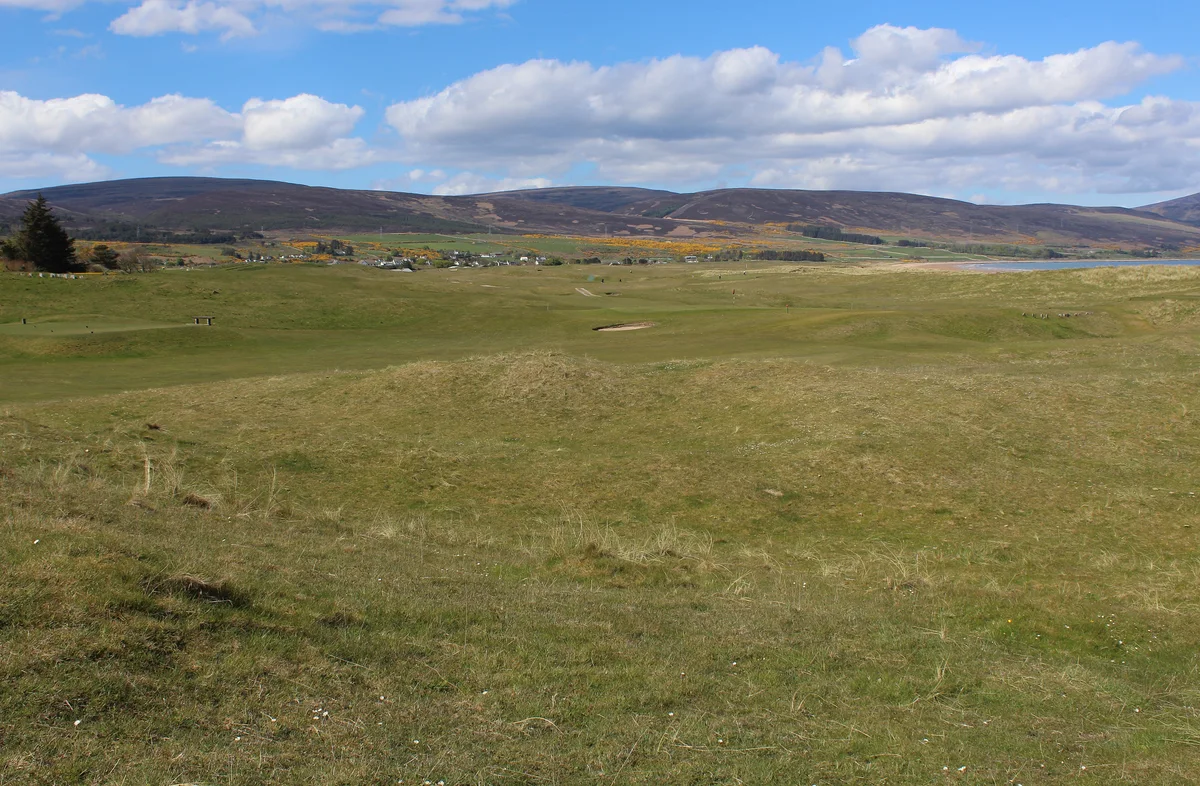
Fly into Inverness and play Castle Stuart and its new partner, Old Petty, five minutes from the airport, then head an hour north to Royal Dornoch. Nairn, Brora, Golspie and Tain fill out a week, with dolphins at Chanonry Point and nearly 18 hours of June daylight.
Royal Troon and Turnberry have hosted 14 Opens between them, and Prestwick, where The Open began in 1860, sits between the two. Western Gailes and Dundonald Links are 15 minutes north of Troon. Glasgow Prestwick Airport is in the middle of it all.
May to September is the main season, and it is also when visitor fees peak: Kingsbarns, Carnoustie and Castle Stuart all step up their rates in May. April and October bring lower prices and quieter sheets, though some courses run shoulder rates only for part of those months and the Dunhill Links closes Kingsbarns, Carnoustie and the Old Course around early October. Kingsbarns shuts entirely from early November to late March, while Royal Dornoch, Gleneagles and Cruden Bay stay open in winter at much lower rates. In June the far north has close to 18 hours of daylight. The Open returns to St Andrews in July 2027, so Fife will be unusually busy that month.
Edinburgh is the main gateway for Fife, East Lothian and Angus; Glasgow and Prestwick serve Ayrshire; Inverness serves the Highlands; Aberdeen serves the north-east. Most groups hire a car, as distances between regions are longer than they look: Edinburgh to Dornoch is close to four hours. Trains help more than in most golf countries. North Berwick, Carnoustie, Troon and Gleneagles all have stations within walking or short taxi distance of the first tee, and the Caledonian Sleeper from London calls at Gleneagles, Carnoustie’s neighbour Dundee and Inverness. Allow for slow single-carriageway roads in the Highlands.
Each club releases its own tee times. Kingsbarns opens the following year on 1 June; Royal Dornoch and Royal Troon took 2027 requests by email only, in order of receipt. Visitor days are often restricted: Royal Troon takes visitors on Mondays, Tuesdays and Thursdays, North Berwick not at all on Fridays or Saturdays, and Cruden Bay only on weekend afternoons. Carry a handicap certificate: limits include 28 and 36 at Carnoustie and 20 and 30 at Royal Troon, while Kingsbarns asks for none. The Old Course has a daily ballot drawn two days ahead, so treat it as a bonus rather than the anchor of your trip.
At many of the best-known courses, yes. Carnoustie’s Championship Course has limits of 28 for men and 36 for women, and Royal Troon of 20 and 30. Kingsbarns asks for no certificate at all. Bring an official record from your home association, either printed or in an app.
St Andrews Links runs a daily ballot for Old Course tee times, drawn two days before the day of play. You enter as a group of two to four, and results are published the same afternoon. The Old Course is normally closed on Sundays. Book other rounds as firm fixtures and treat a ballot win as extra.
For summer at the most in-demand courses, about a year. Kingsbarns opens the following season each 1 June, and Royal Dornoch opened its 2027 sheet in May 2026. Shoulder-season dates and second-tier courses can often be booked within a few weeks.
North Berwick is 35 minutes from Edinburgh with the station near the first tee. Carnoustie and Troon stations are a short walk from their links, and Gleneagles station is about two miles from the hotel. Leuchars station serves St Andrews and Kingsbarns by taxi.
Usually much cheaper. Royal Dornoch drops from £360 to £200 in winter, Gleneagles falls to £115 a round in mid-winter, and Cruden Bay’s winter rate is £120. Short daylight and the use of fairway mats on some courses are the trade-offs.
Last checked 4 October 2026. Independent planning guidance; confirm access, fees and travel details with each operator.
How we research our guides