United States · Monterey Peninsula
Pebble Beach Golf Links
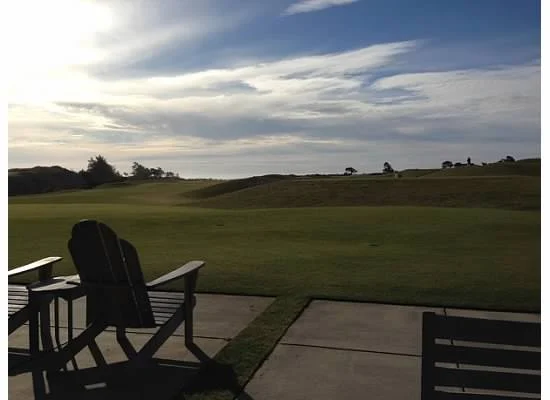
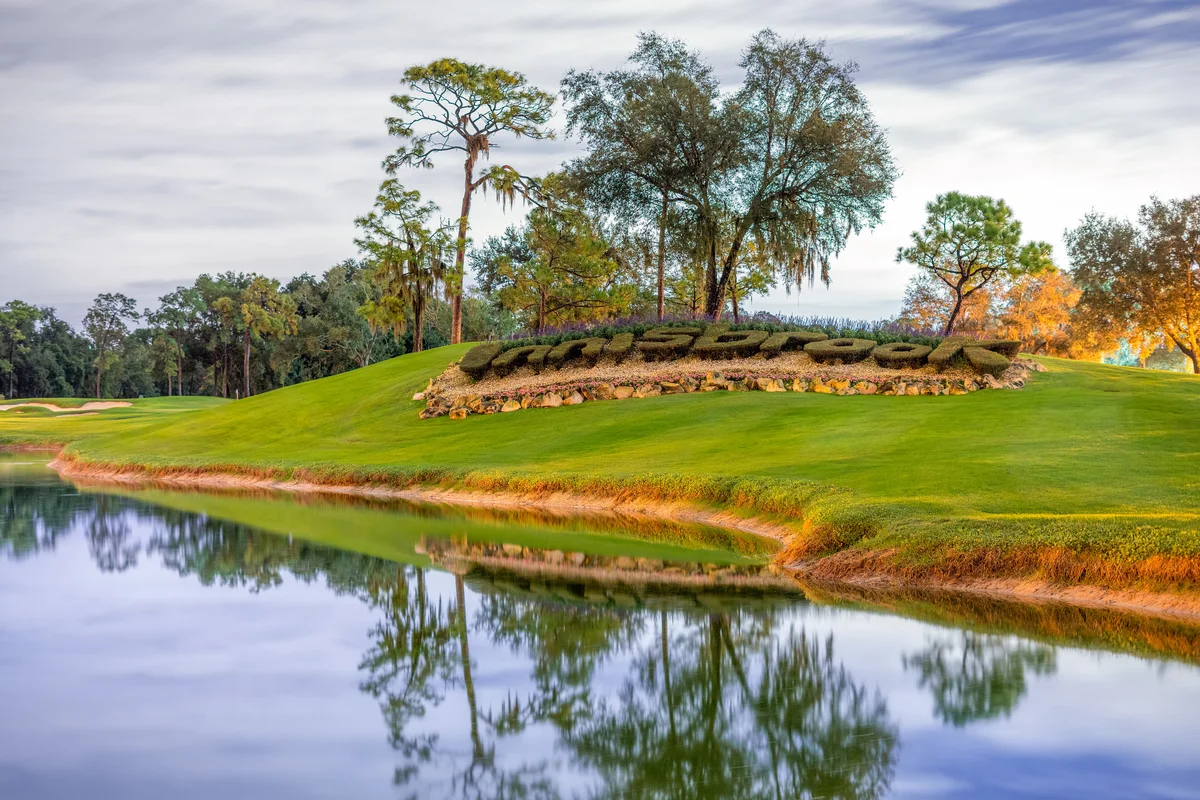
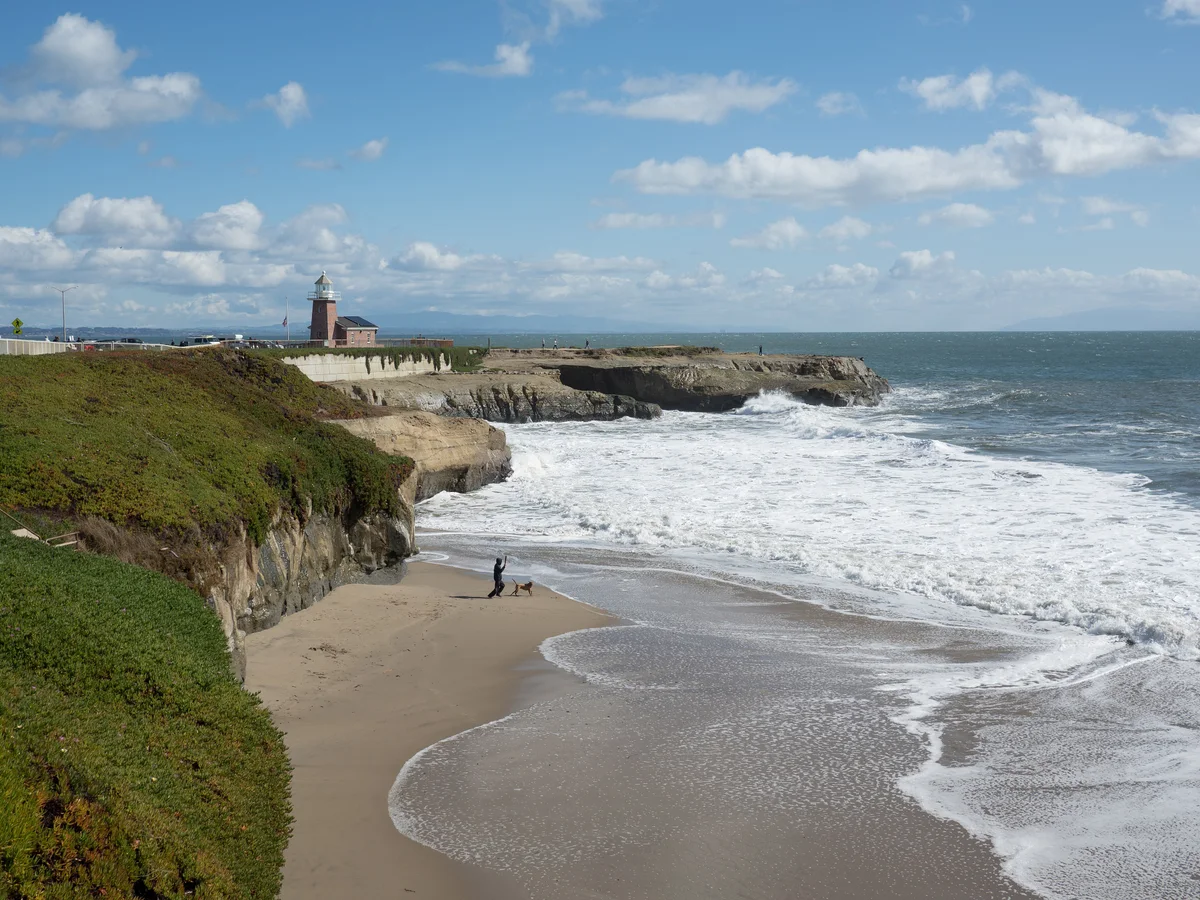
The Pacific sets the scene. The little seventh steals the show.
The United States has a lot of very good golf that visitors can book, but it is spread across a continent. A trip that tries to link California, the Carolinas and Wisconsin becomes a series of flights. Choose one region and build the trip around it. The other thing to understand is access. Many of the best-known courses either belong to resorts that give their own guests priority, or are public courses whose booking systems favour locals. Pebble Beach gives most tee times to people staying two nights or more. Pinehurst No. 2 and Sea Island are for resort guests only. Torrey Pines and Bethpage Black are city- and state-owned public courses. Non-residents can play them, but they pay more and book later than locals. Caddies here work mainly for tips, and fees are often quoted before tax and gratuity. Read every rate card carefully, and budget for what is not included.
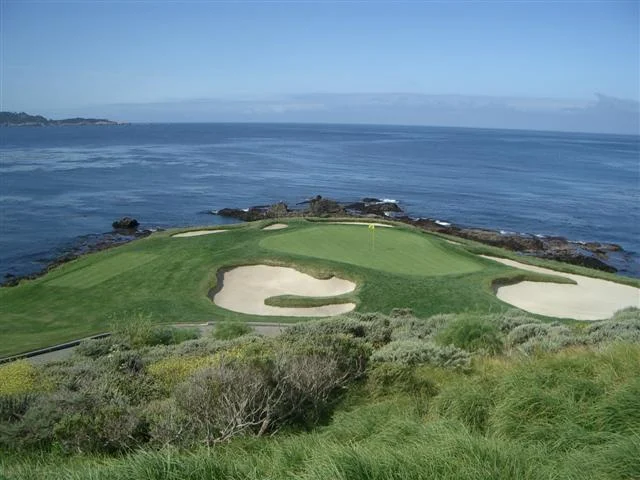
The Pacific sets the scene. The little seventh steals the show.
Walking golf, shifting winds, and days measured in rounds.
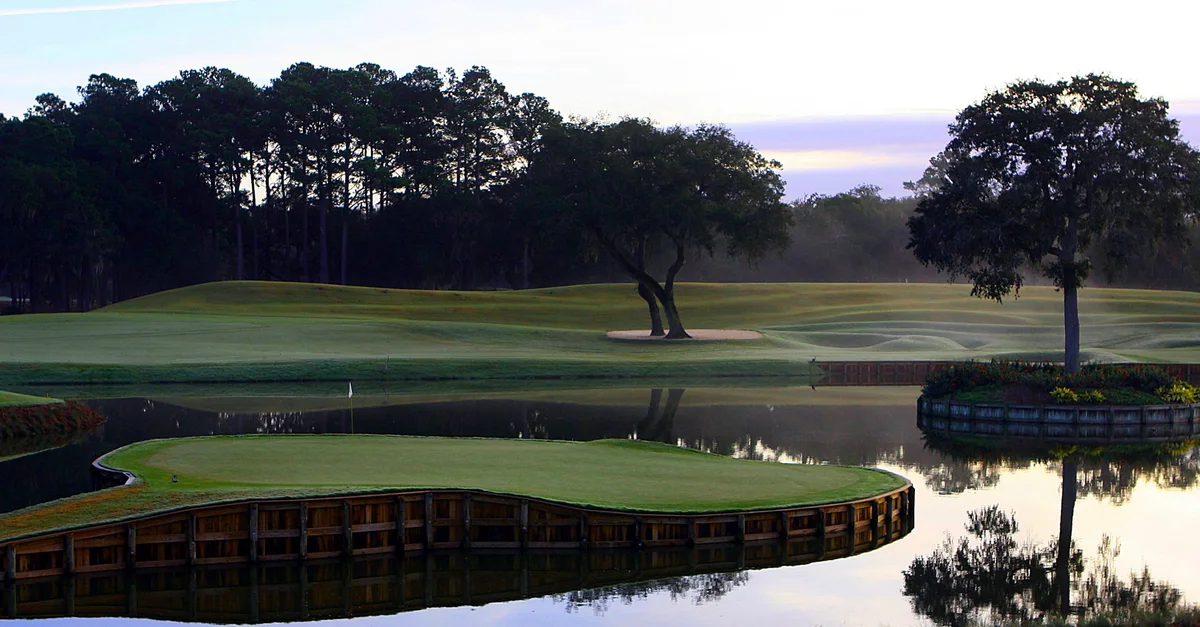
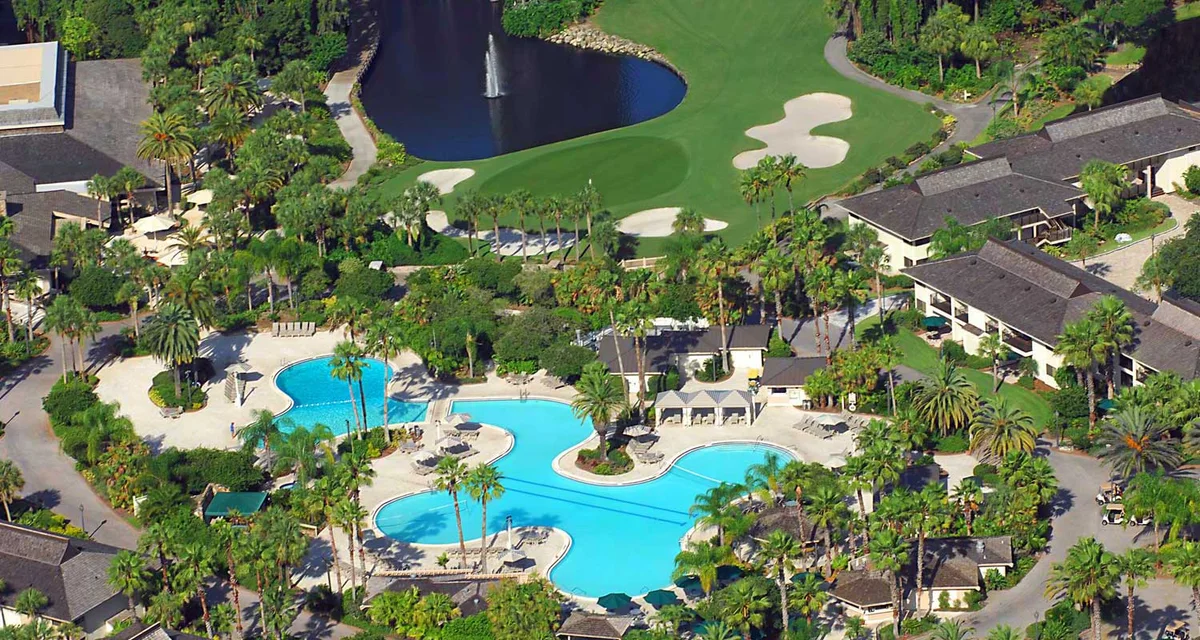
Home of The Players, and a 17th green that sits alone in the water.
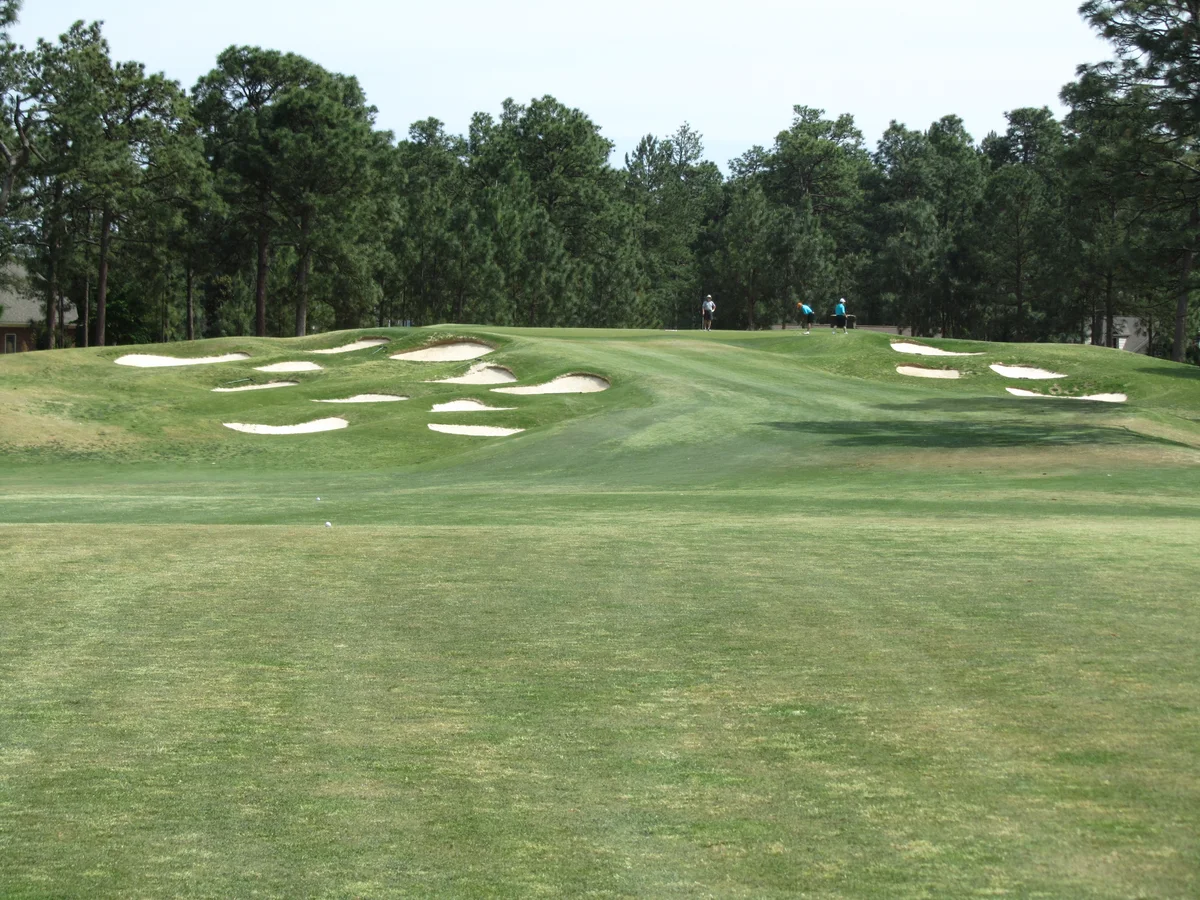
Donald Ross’s turtleback greens, a sandhills village and ten courses besides.
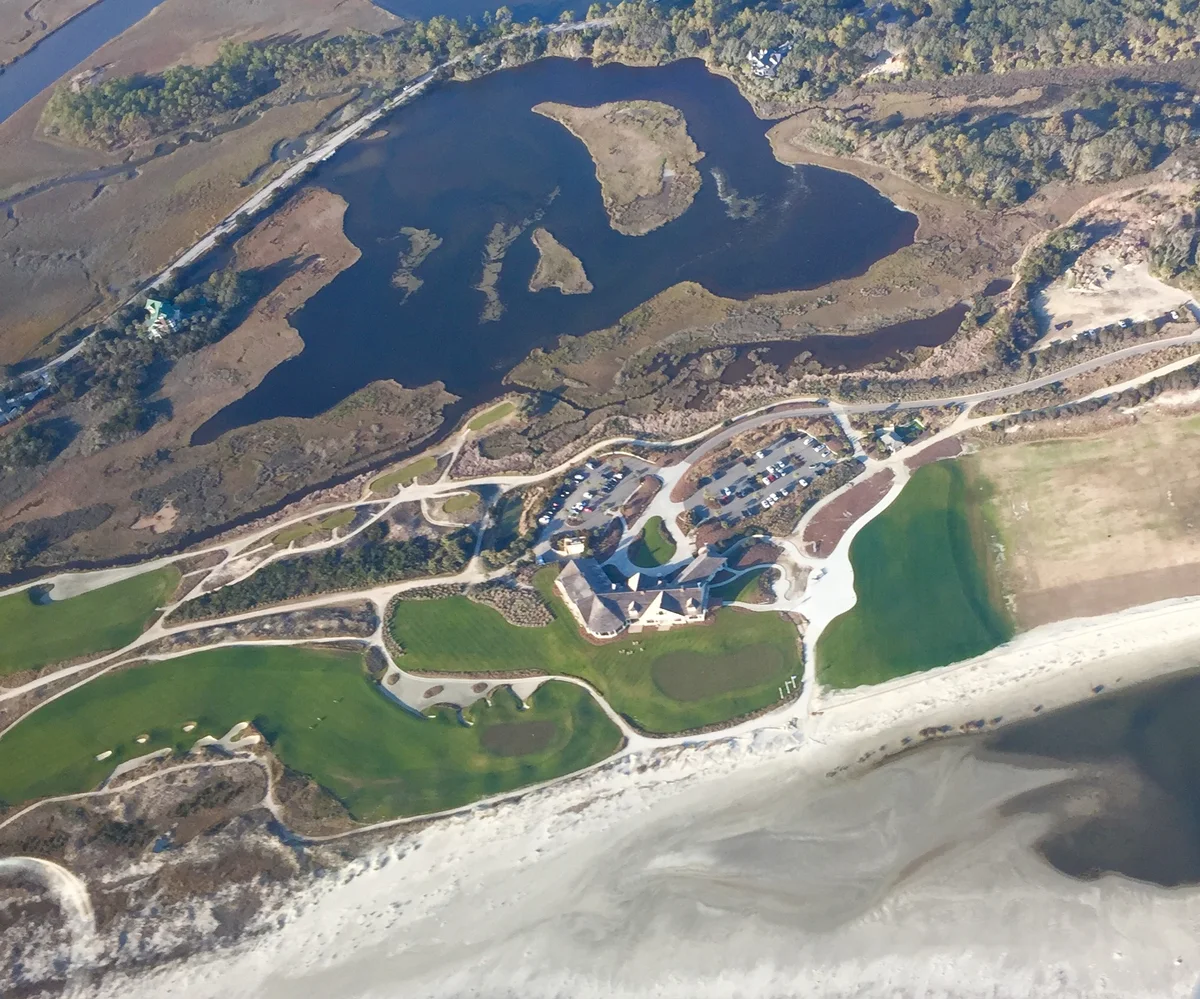
Destination imageryTen holes on the Atlantic, two prevailing winds and a Ryder Cup past.
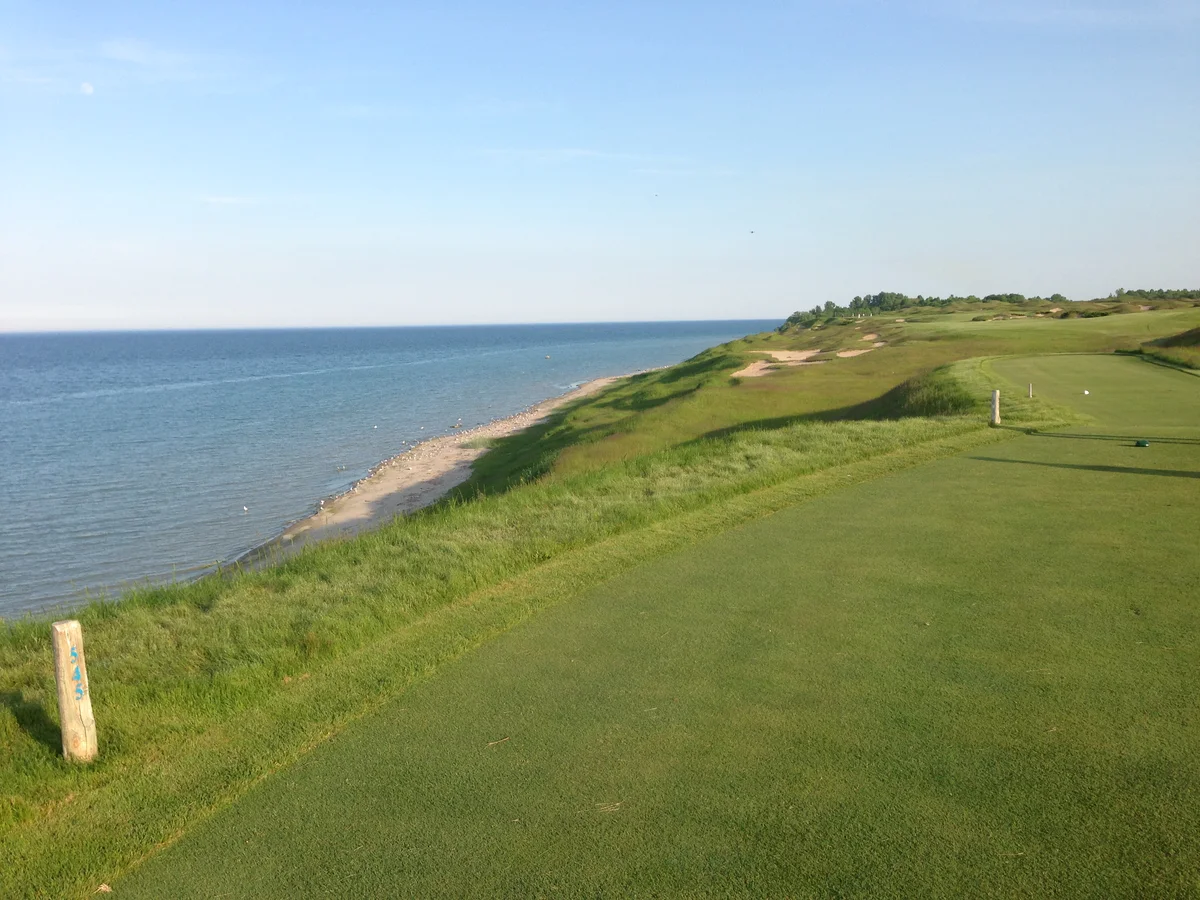
Pete Dye’s Lake Michigan dunescape, with sheep, bunkers and a Ryder Cup.
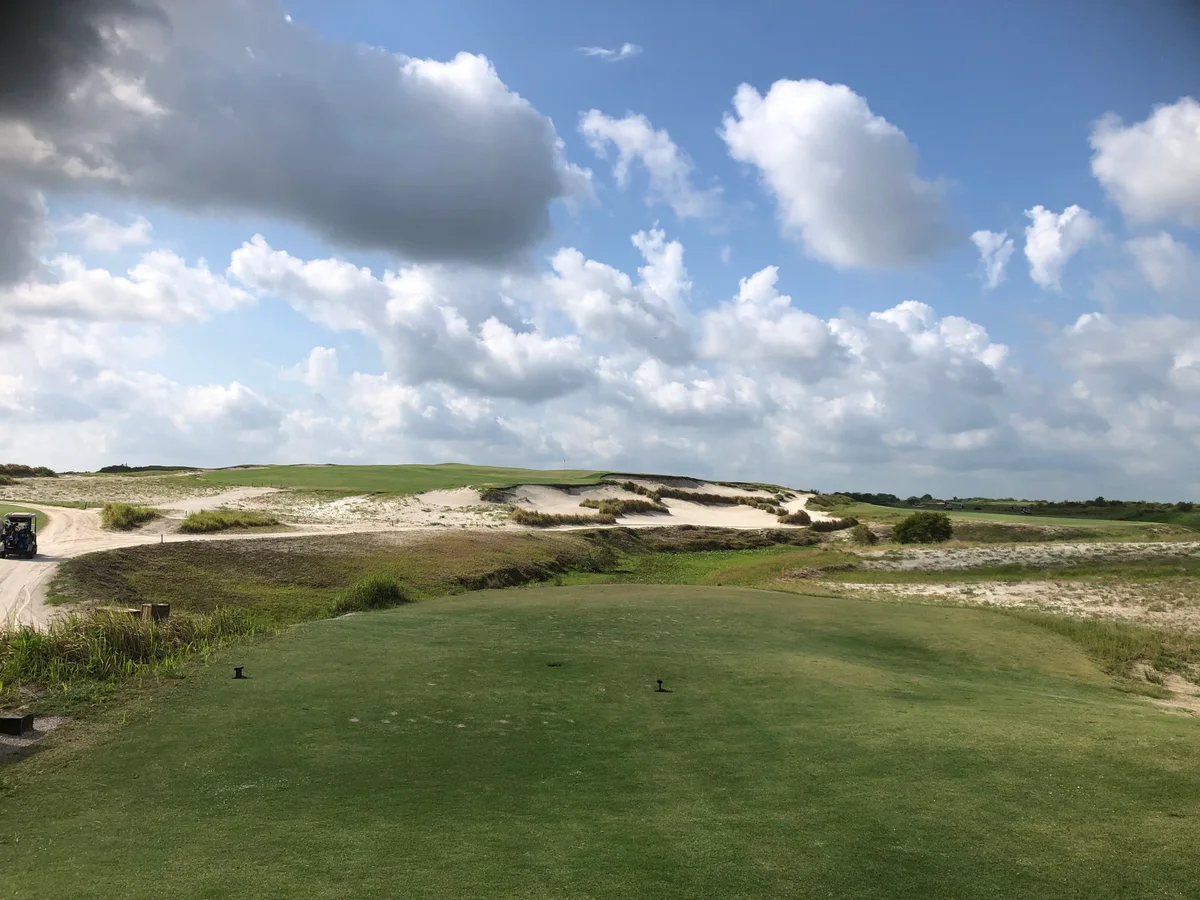
Dunes nobody expects in Florida, built on reclaimed phosphate land.
Walking golf on Wisconsin sand, and the lost Lido brought back to life.
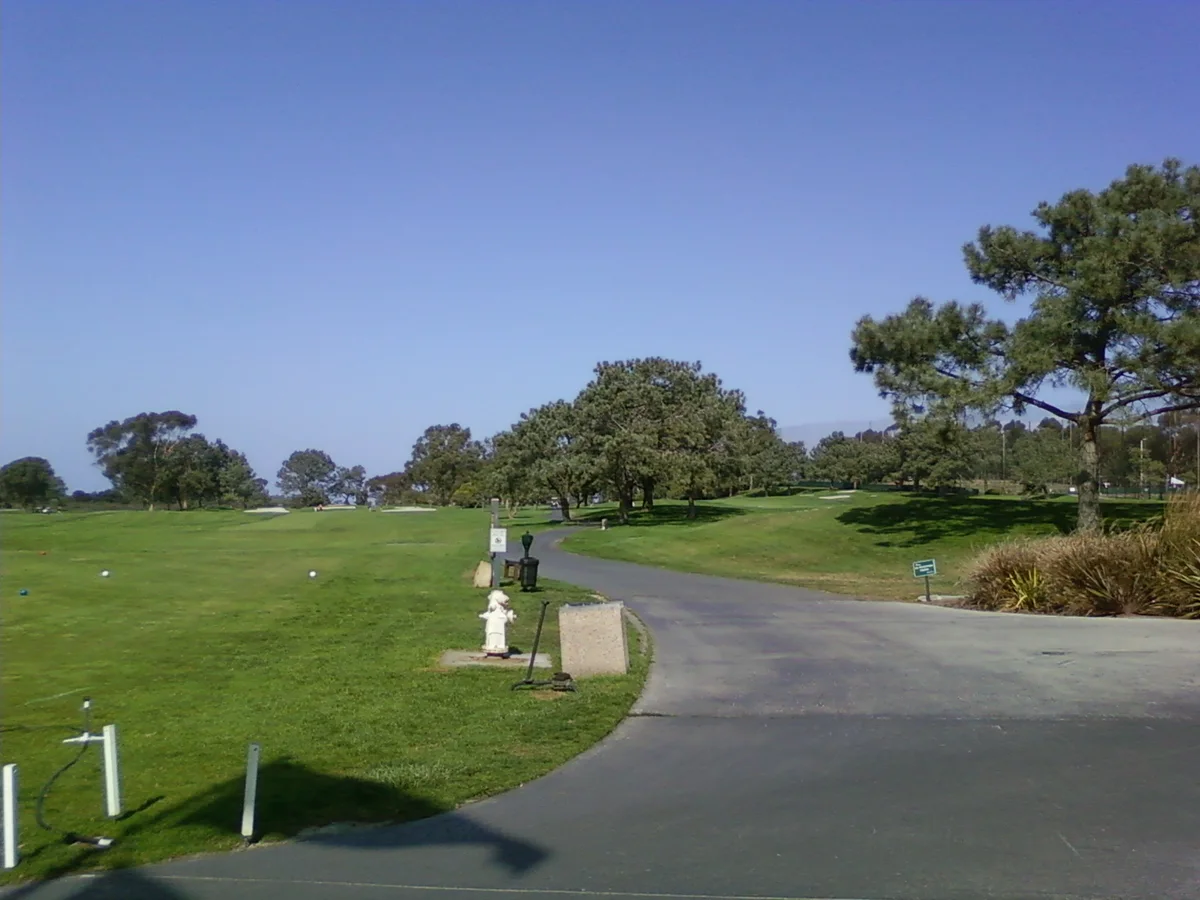
Destination imageryA city-owned U.S. Open course on the cliffs above the Pacific.
Rolling sand and live oaks on Florida’s Nature Coast, rebuilt by Cabot.
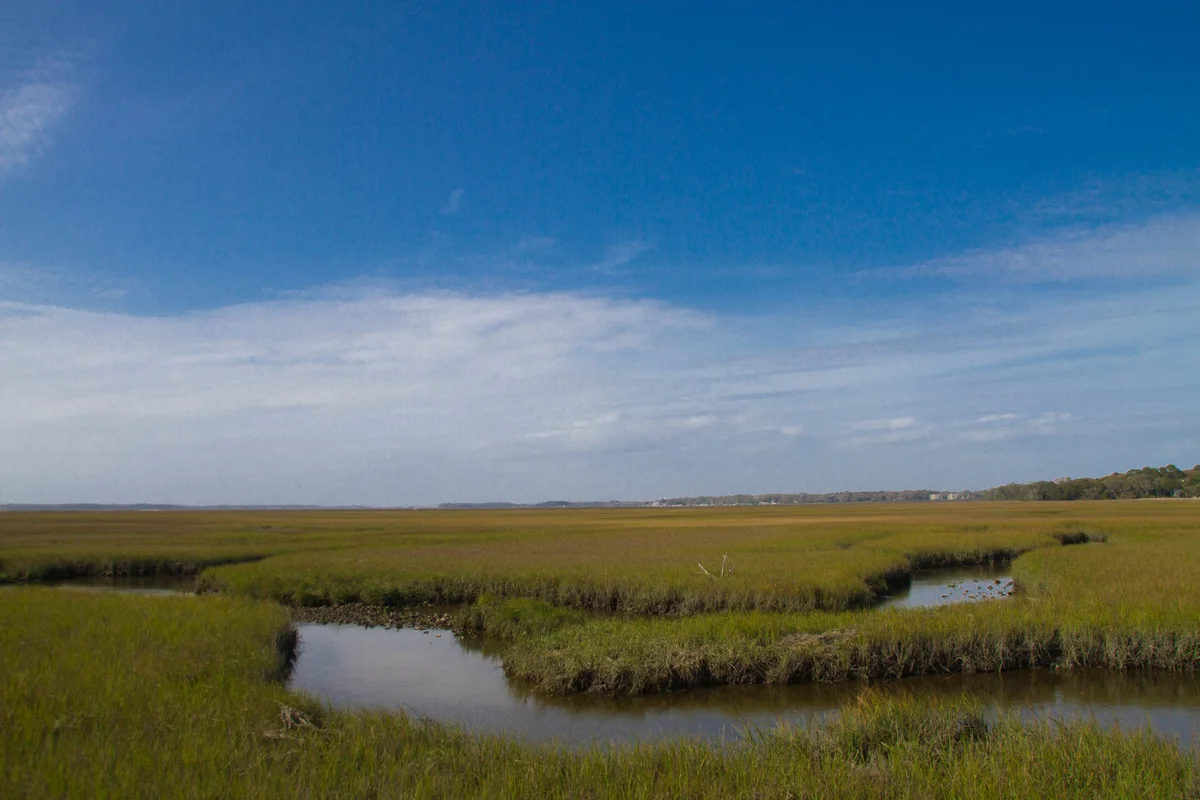
Destination imageryMarsh, sea breezes and a Colt & Alison course reborn for its 25th year.
A state-park course with a warning sign, a Ryder Cup and a public fee.
Five holes in the dunes, then thirteen through the pines, every one named from Treasure Island.
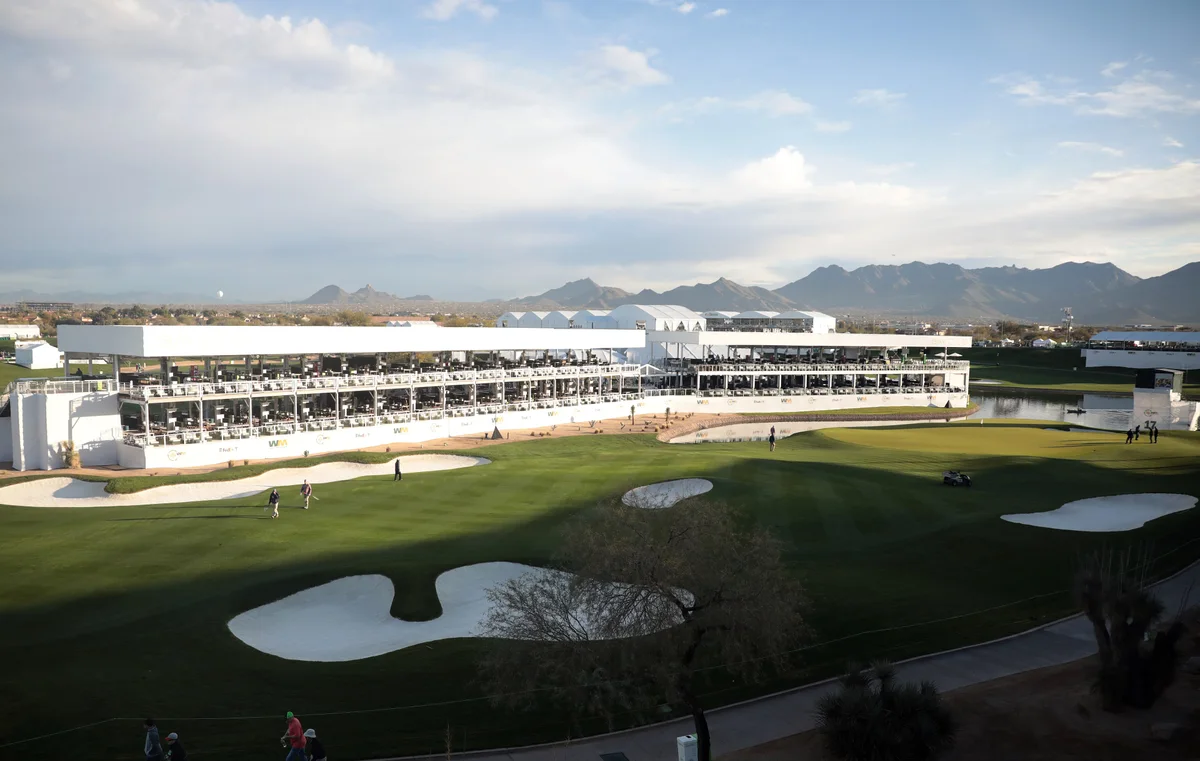
The Phoenix Open’s home course, open to the public 51 weeks a year.
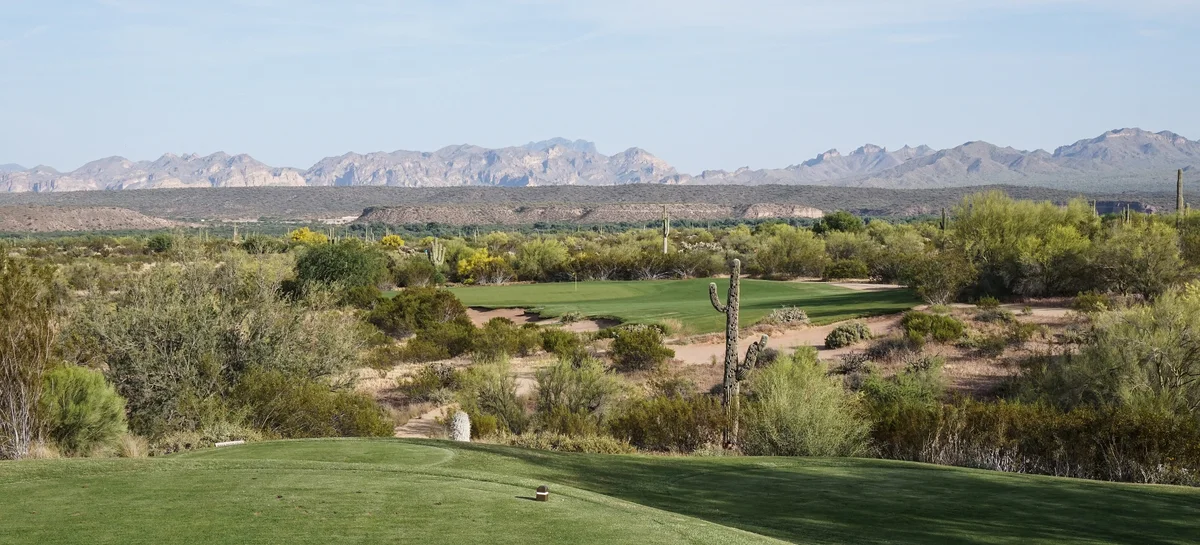
Two desert courses with no houses or roads, on Fort McDowell Yavapai land.
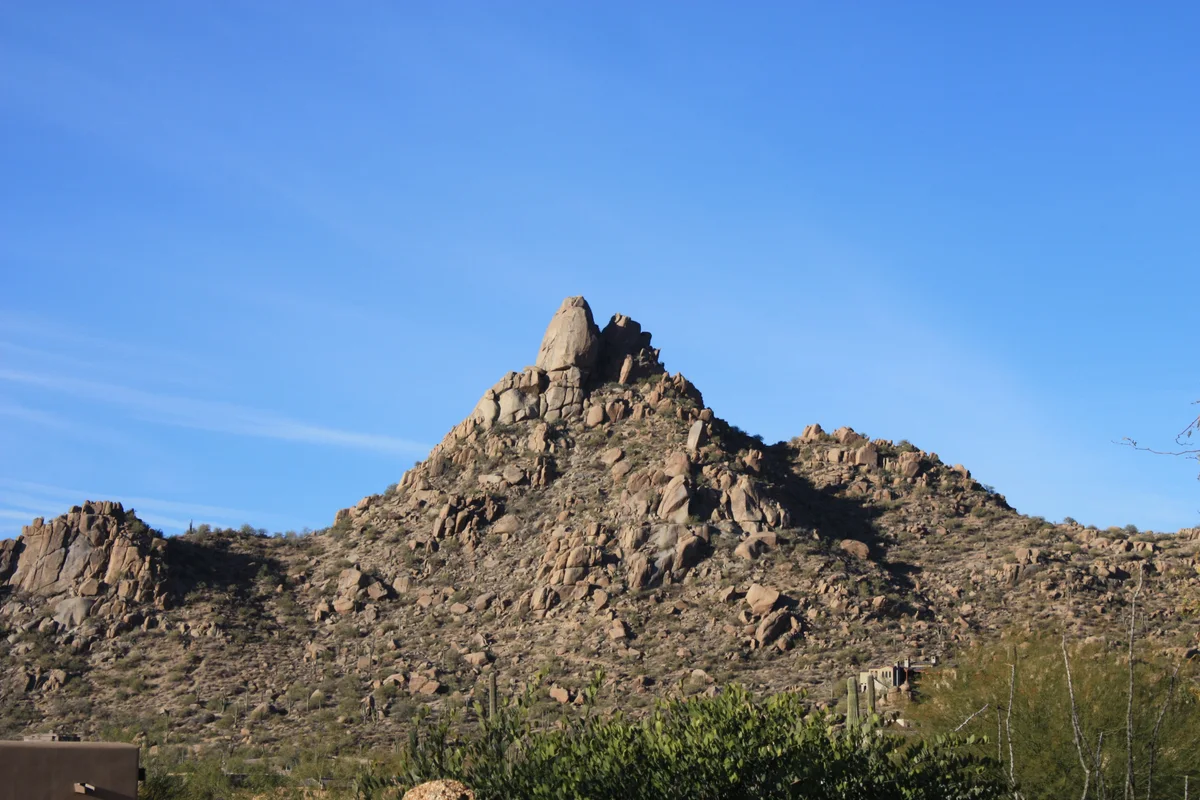
Tom Weiskopf’s boulder-strewn desert golf beneath Pinnacle Peak.
Destination imageryArnold Palmer’s own club, where a night in the lodge gets you on the course.
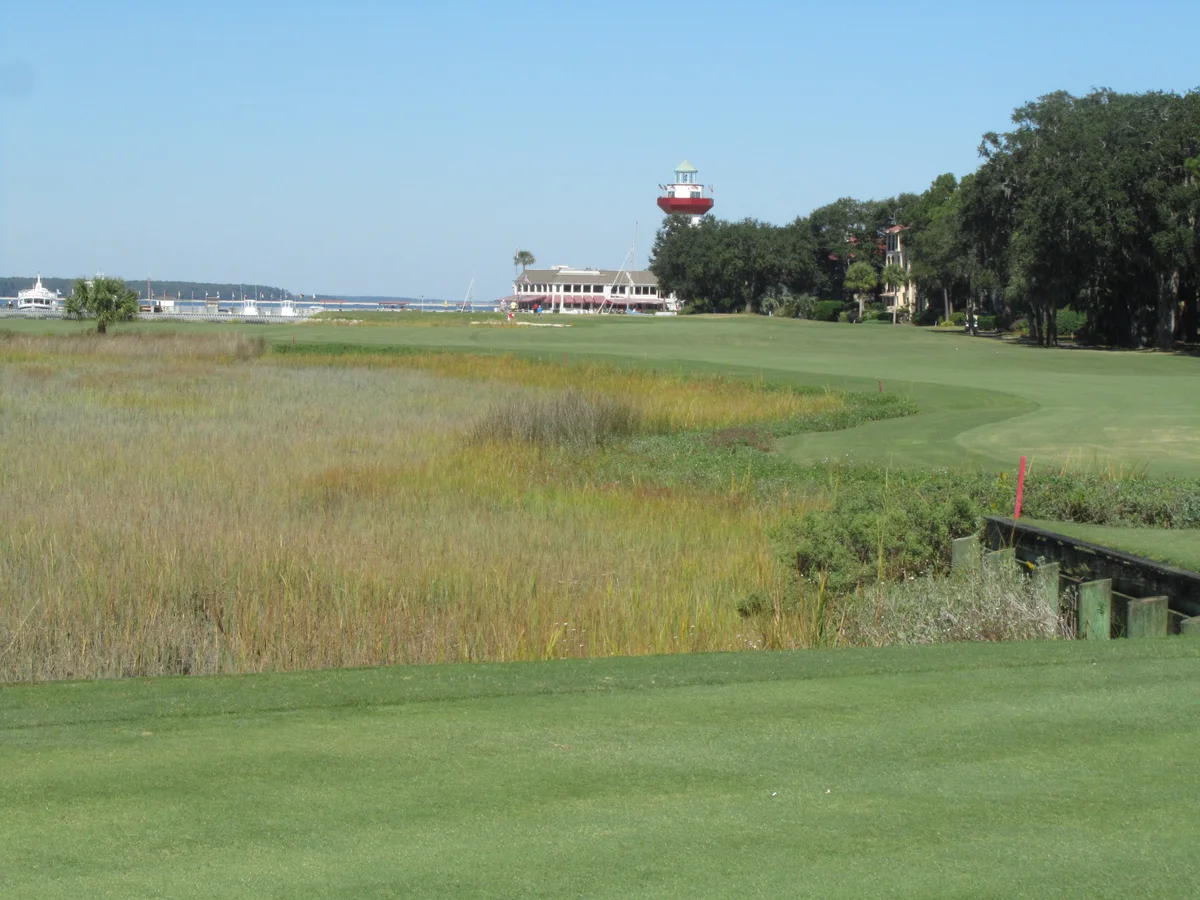
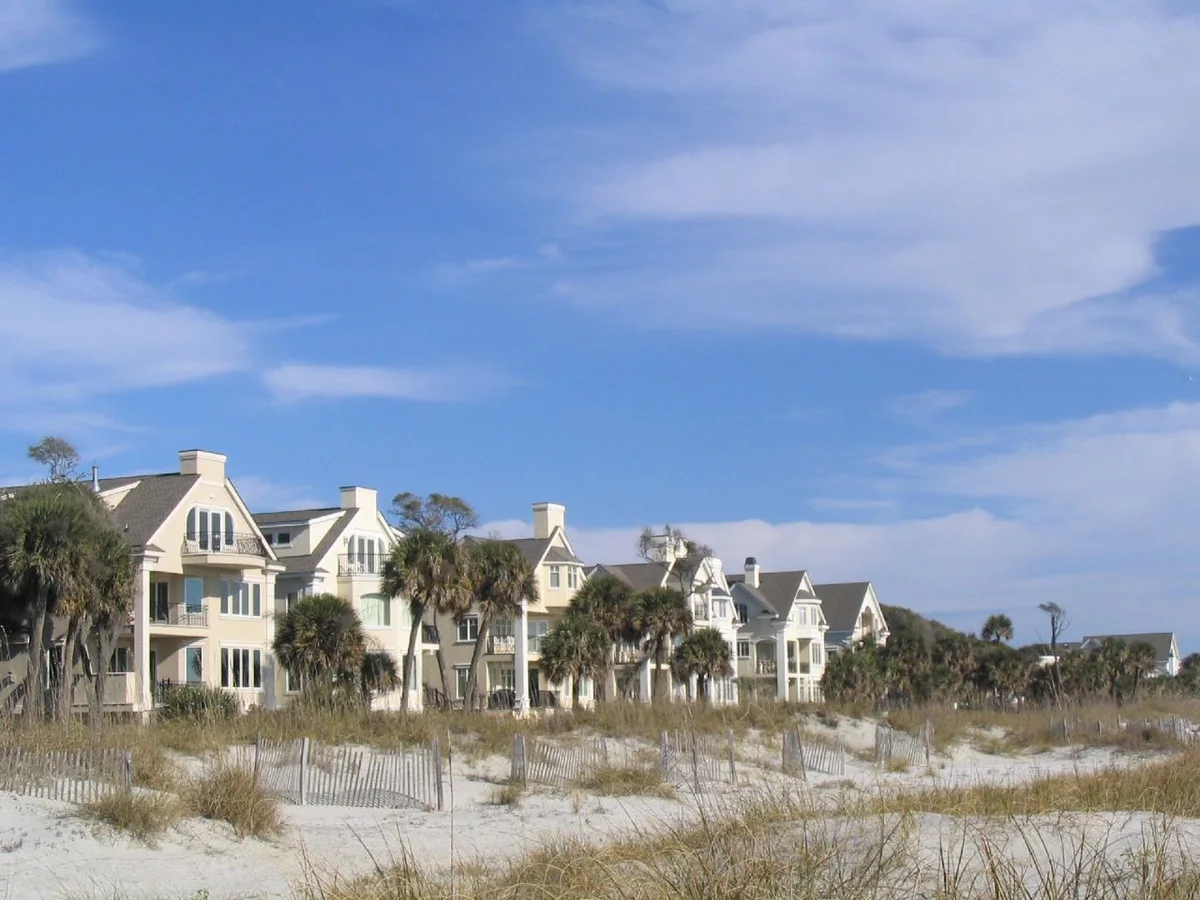
Tiny greens, live oaks and a striped lighthouse behind the 18th on Calibogue Sound.
Robert Trent Jones’s 1949 oceanfront course, home of Waterloo and a PGA Tour week.
Destination imageryMike Strantz’s first course, on an old rice plantation under moss-hung oaks.
Destination imageryTom Fazio’s public tournament course in the marsh country south of Myrtle Beach.
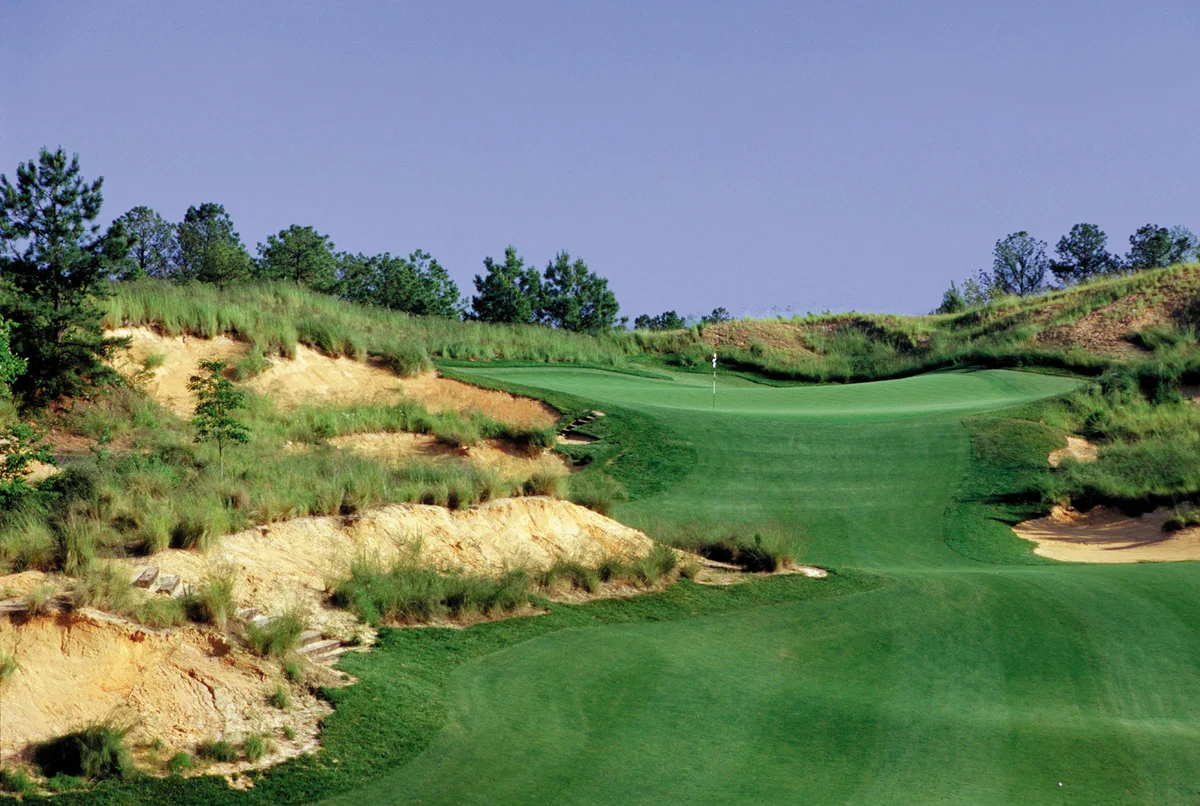
Destination imageryMike Strantz’s wild 1998 course, cut from the orange sand of an old quarry.
Donald Ross’s 1921 routing, restored in 2013, opposite its sister across Midland Road.
Destination imageryPeggy Kirk Bell’s lodge and the Ross course that has staged four U.S. Women’s Opens.
Destination imageryA 1906 town course, opened up by 700 felled trees and a rebuilt Ross “lost hole”.
Destination imageryRees Jones fairways in the River Mountains, with a stream running through the clubhouse.
A former tour stop among Summerlin’s arroyos, with Red Rock Canyon as the backdrop.
Destination imageryJack Nicklaus’s only Signature course in Nevada, with five holes on Lake Las Vegas.
Pete Dye’s longest Paiute course, with a three-tiered island green at the 15th.
Destination imageryPete Dye’s desert ordeal: a 20-foot bunker on the 16th, then the island green called Alcatraz.
Destination imageryPete Dye’s 1980 resort layout, hard against the Santa Rosas, with a par three set in a rock cove.
Destination imageryA city-owned 36 in Indian Wells, with John Fought’s Players Course freshly rebuilt.
Destination imageryLa Quinta’s own Arnold Palmer course, set flush against the Santa Rosa Mountains.
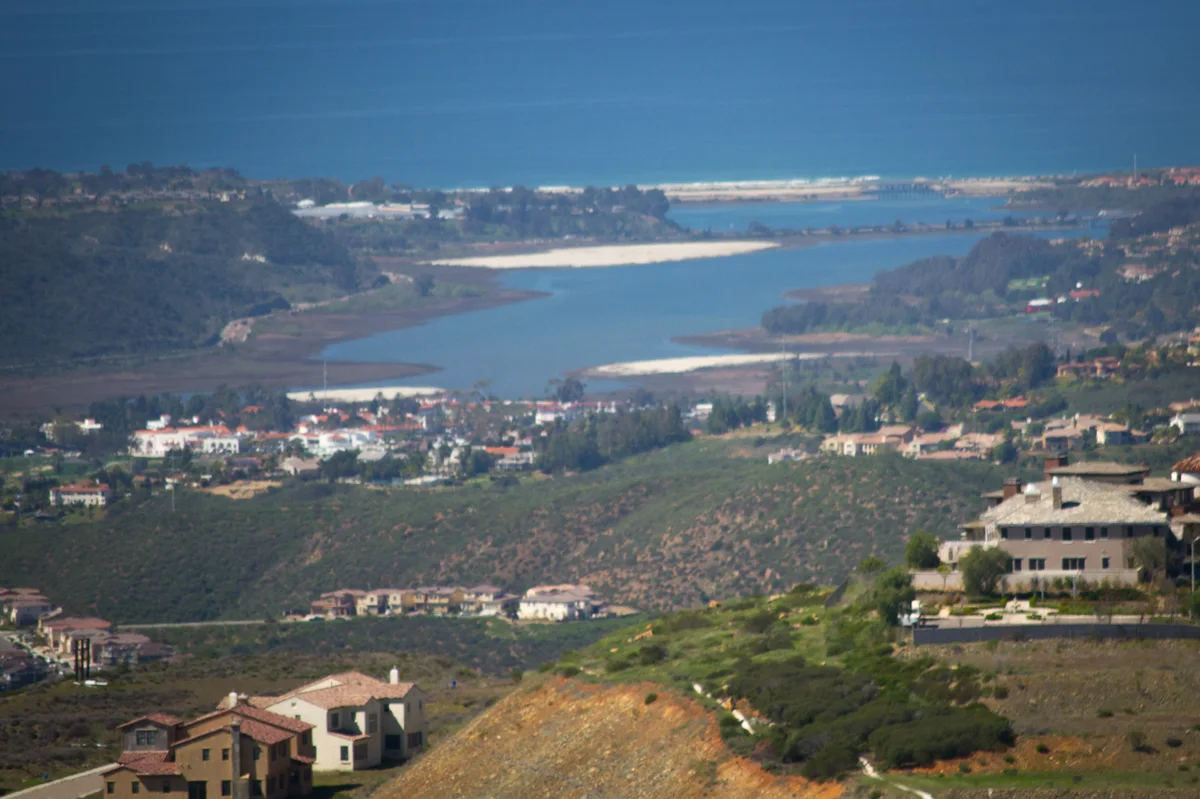
Destination imageryArnold Palmer’s only San Diego course, folded into the hills above Batiquitos Lagoon.
Destination imageryThirty Tournaments of Champions, then a Gil Hanse rebuild for the NCAA finals.
Destination imageryDavis Love III’s rebuild of the island’s first course, with a par three into the sea breeze.
Destination imageryLagoons on eleven holes and a par-five tenth that climbs to a green above the beach.
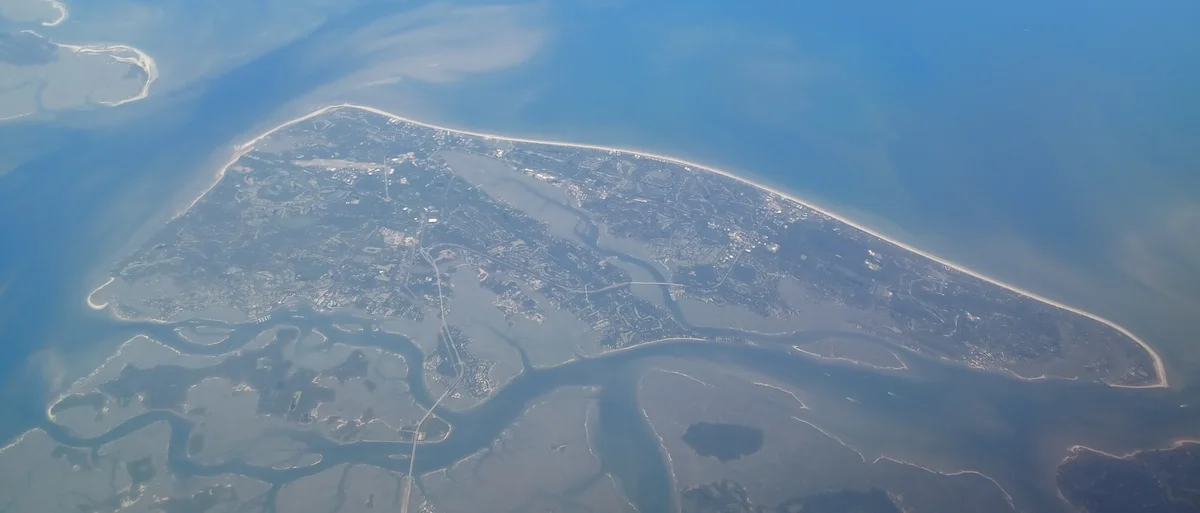
Destination imageryTom Fazio’s first solo design, finishing on the Atlantic at the top of Isle of Palms.
Destination imageryA Rees Jones course with wooden bridges over wetland, closing beside the Intracoastal marsh.
Destination imageryA public Q-School venue west of Orlando, with its own lodge on site.
Destination imageryRees Jones golf through cypress wetland, a shuttle ride from Disney Springs.
Destination imageryTom Watson’s sand-heavy Florida debut, kept for the resort’s own guests.
Destination imageryPete Dye’s 1988 River Course, crossing the Sheboygan River below Kohler village.
The Bear Trap’s home, kept for people sleeping at the resort.
Destination imageryTour-length Miami golf, a lake down the 18th and a forecaddie on the bag.
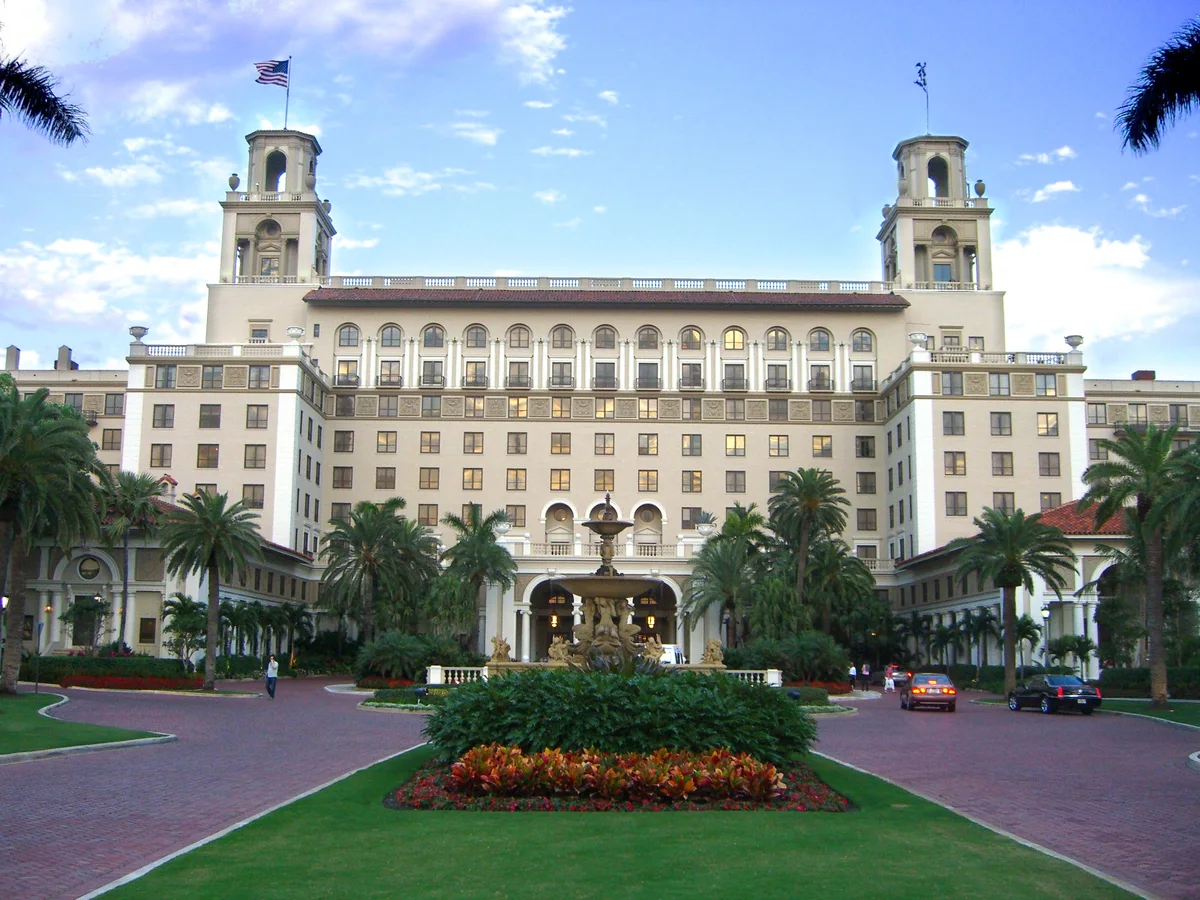
Palm Beach golf since 1897, rebuilt by Rees Jones for the hotel’s guests.
Destination imageryJack Nicklaus’s six Atlantic holes and the four-hole Bear Claw finish, via a resort stay.
Destination imageryPete Dye’s 1972 marsh-edge layout, rebuilt in 2025 and kept for resort guests.
Destination imageryThe only Palmer–Nicklaus co-design, plus a Snead and Sarazen tribute, off I-95.
Destination imageryGreg Norman’s oak-lined home of the Valero Texas Open, open to hotel guests.
Destination imageryThree Robert Trent Jones Sr. courses and a waterfall hole on Lake LBJ.
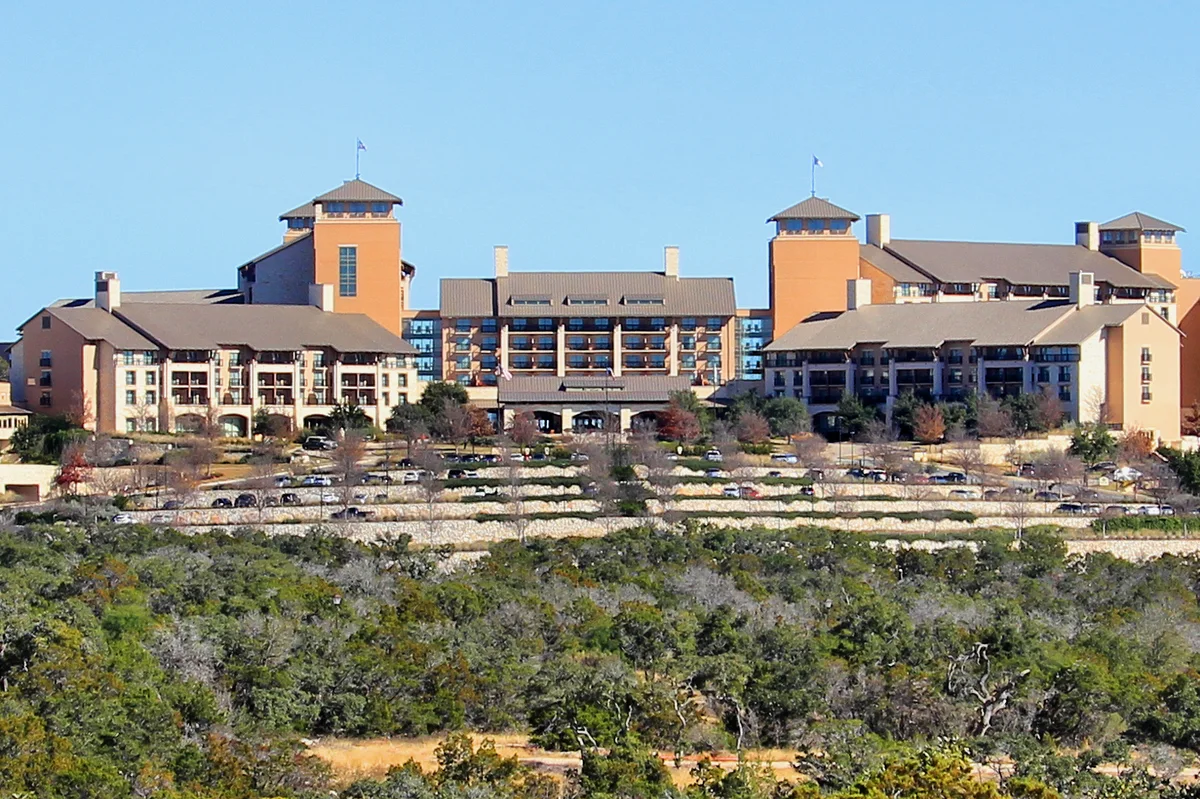
Destination imageryArthur Hills’ ridges and river holes, 13 miles from Austin’s airport.
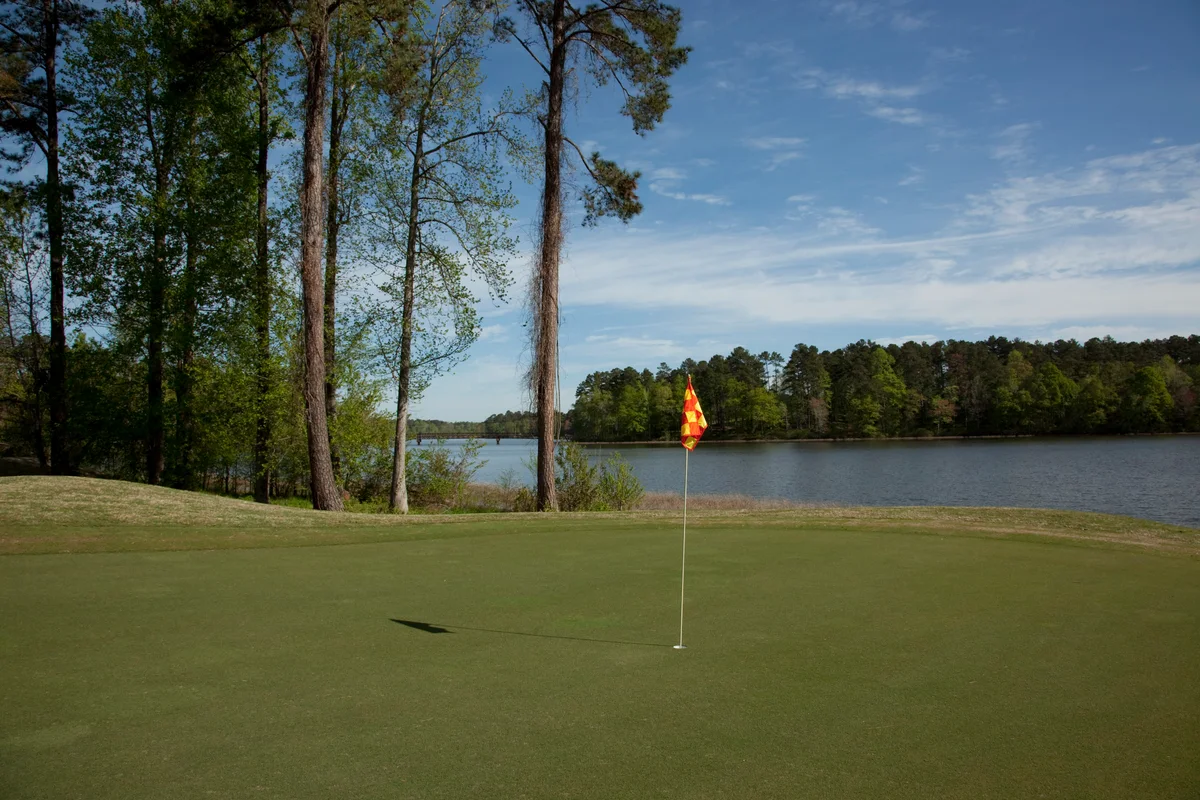
Twelve holes on the shores of Lake Saugahatchee, finishing with an island-green par three.
An 8,168-yard parkland course around two lakes, below a Renaissance resort hotel.
The Trail’s first course, cut through old U.S. Steel mining land between two ridges.
Destination imageryTom Weiskopf’s last design, routed through black lava below the red cliffs of Snow Canyon.
Destination imageryJohn Fought’s back nine runs along a sandstone ledge above the Hurricane valley.
Destination imageryA Keith Foster layout below red rock and the Pine Valley peaks, just off I-15.
Destination imageryFairways dropped into canyons, with tees on ridges and a slope of 154 from the tips.
Destination imageryA Jack Nicklaus course alone in the desert between Las Vegas and Mesquite.
Destination imageryNorman, Love, Fazio and Dye, all opened at once beside the Intracoastal Waterway.
Destination imageryThe Grand Strand’s first course, from 1927, half a mile from the ocean.
Destination imageryWide fairways on a bluff above the Intracoastal, with greens rebuilt in 2022.
Destination imageryMike Strantz’s rolling, open sister to Caledonia, with a 624-yard opener.
Destination imageryMarsh, inlet and waterway views on the Strand’s northern edge.
Destination imageryFazio’s former tour course and a canyon-edged Talon, side by side.
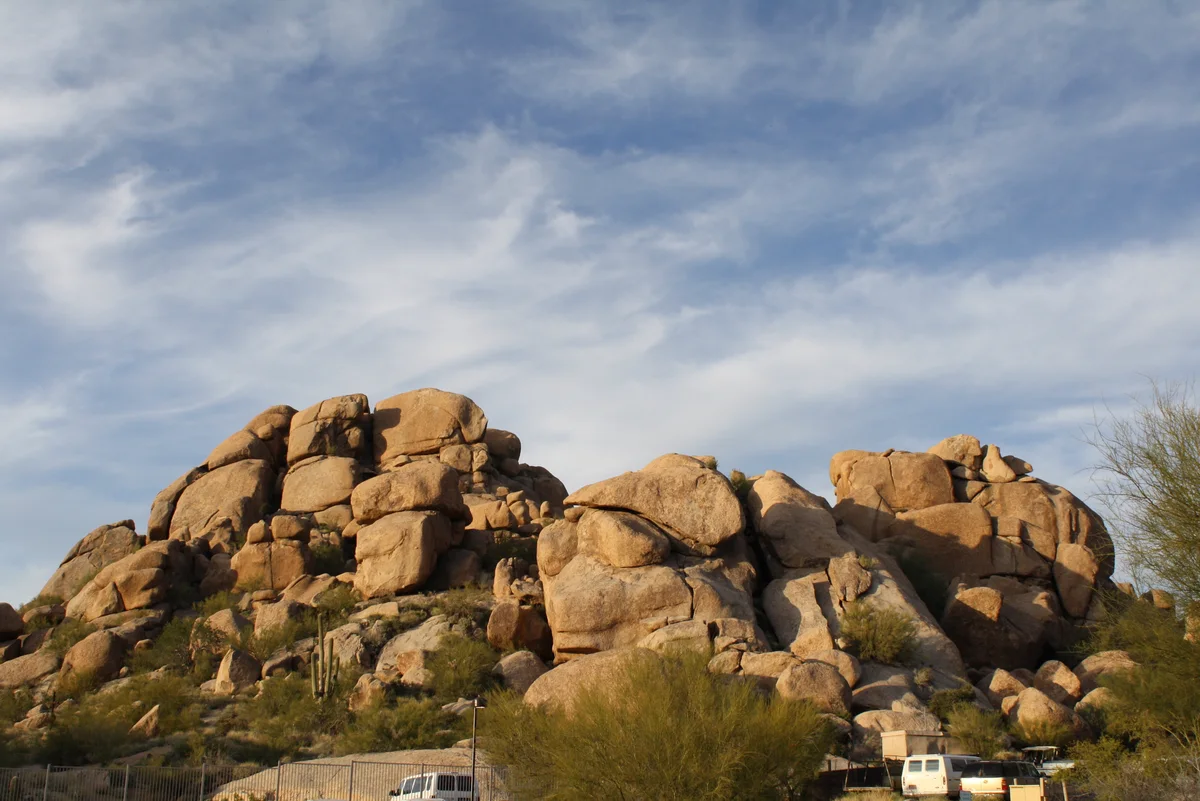
Destination imageryJay Morrish fairways threaded between 12-million-year-old granite piles.
Destination imageryCoore & Crenshaw’s flat, firm desert links where wild horses wander.
Destination imageryHillside desert golf above Fountain Hills, with views back over the Valley.
Joe Lee’s 1971 pair, a Mickey-shaped bunker and four decades of PGA Tour finishes.
Destination imageryGreg Norman’s windswept International and wooded National, beside the Leadbetter academy.
The last Trent Jones father-and-son course, in the town Disney planned.
A Palmer-rebuilt round on the convention corridor, with valet parking included.
Destination imageryA South Seas-themed course on the Strip, with an island-green 16th below the restaurant patio.
Destination imageryBilly Casper’s canyon course in the Anthem hills, with long views back to the Strip.
Destination imageryTwo Arnold Palmer courses, a lit short course and a grass putting course in one place.
Destination imageryA Ted Robinson Jr. course in eastern Henderson, with the Strip in view from the 11th tee.
Destination imageryLarry Packard’s Copperhead, home of the Valspar and its Snake Pit finish.
Rees Jones has turned 36 holes into three nines north of Tampa.
Destination imageryBobby Weed’s cypress-and-wetland layout, a Champions Tour stop for 20 years.
Destination imageryThree Arthur Hills nines on Lake Michigan bluffs, dunes and a former shale quarry.
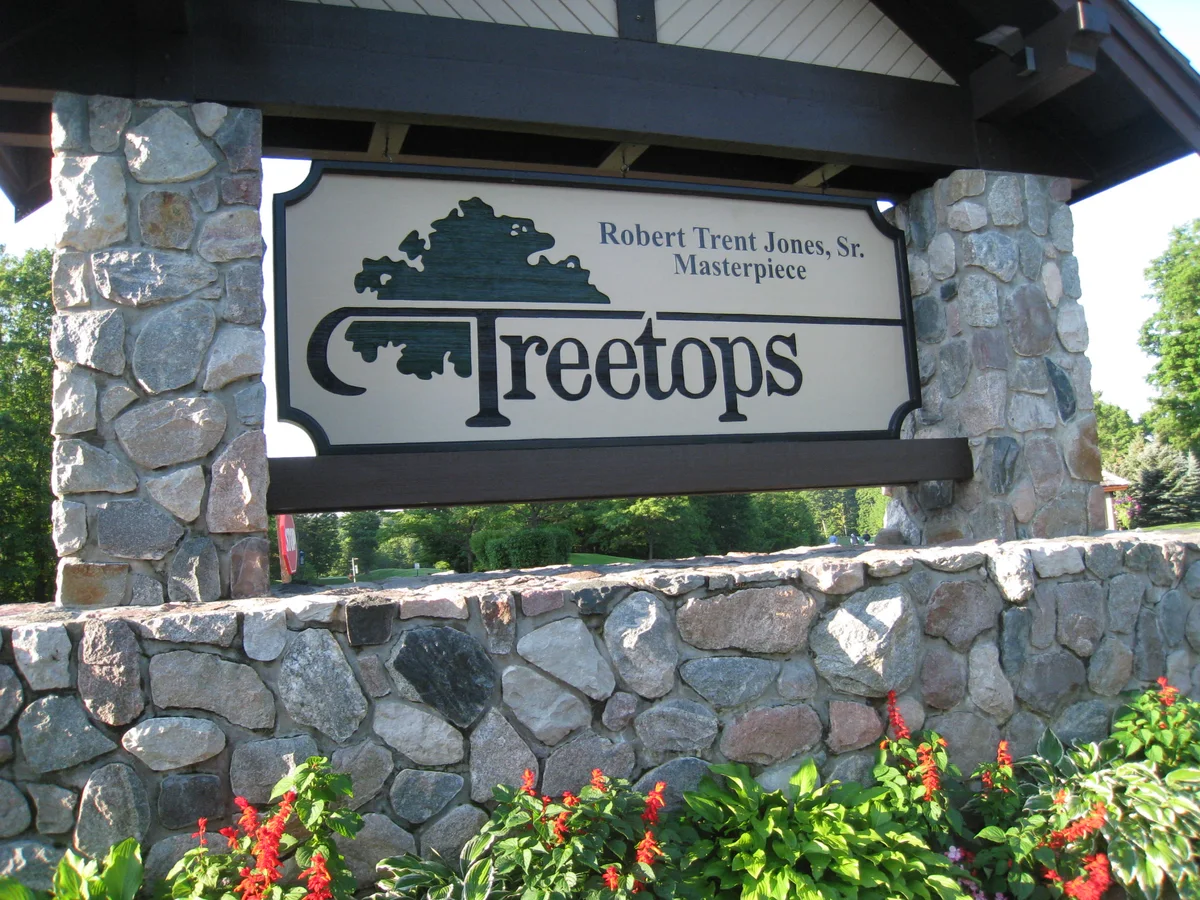
Destination imageryRobert Trent Jones Sr.’s hilly Masterpiece and Rick Smith’s famous nine-hole par-3 course.
Destination imageryRobert Trent Jones Sr.’s 1966 course at the resort once called Boyne Highlands.
Destination imageryAlister MacKenzie’s own favourite, in the sand hills above Monterey Bay.
Destination imageryPine-lined fairways in the Del Monte Forest, owned by golfers for golfers.
Destination imageryTwo former army courses on the old Fort Ord base, with Monterey Bay below.
Destination imageryA Pete Dye par 70 that climbs from the Carmel River into sunny oak hills.
Destination imageryPete Dye’s boulder-lined former tour course, played from a Laurel Highlands room key.
Pete Dye’s River Course on the James, a tour stop for four decades.
Crosswater’s river crossings and two pine-lined resort courses below the Cascades.
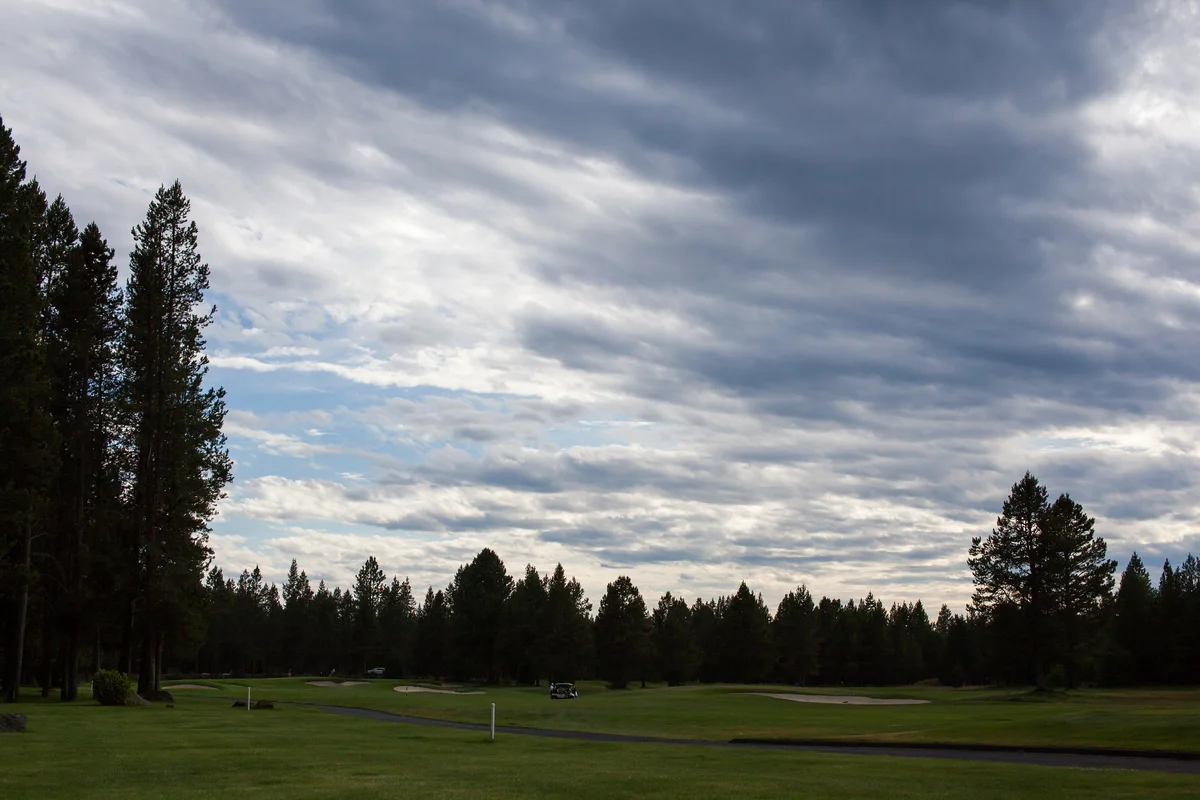
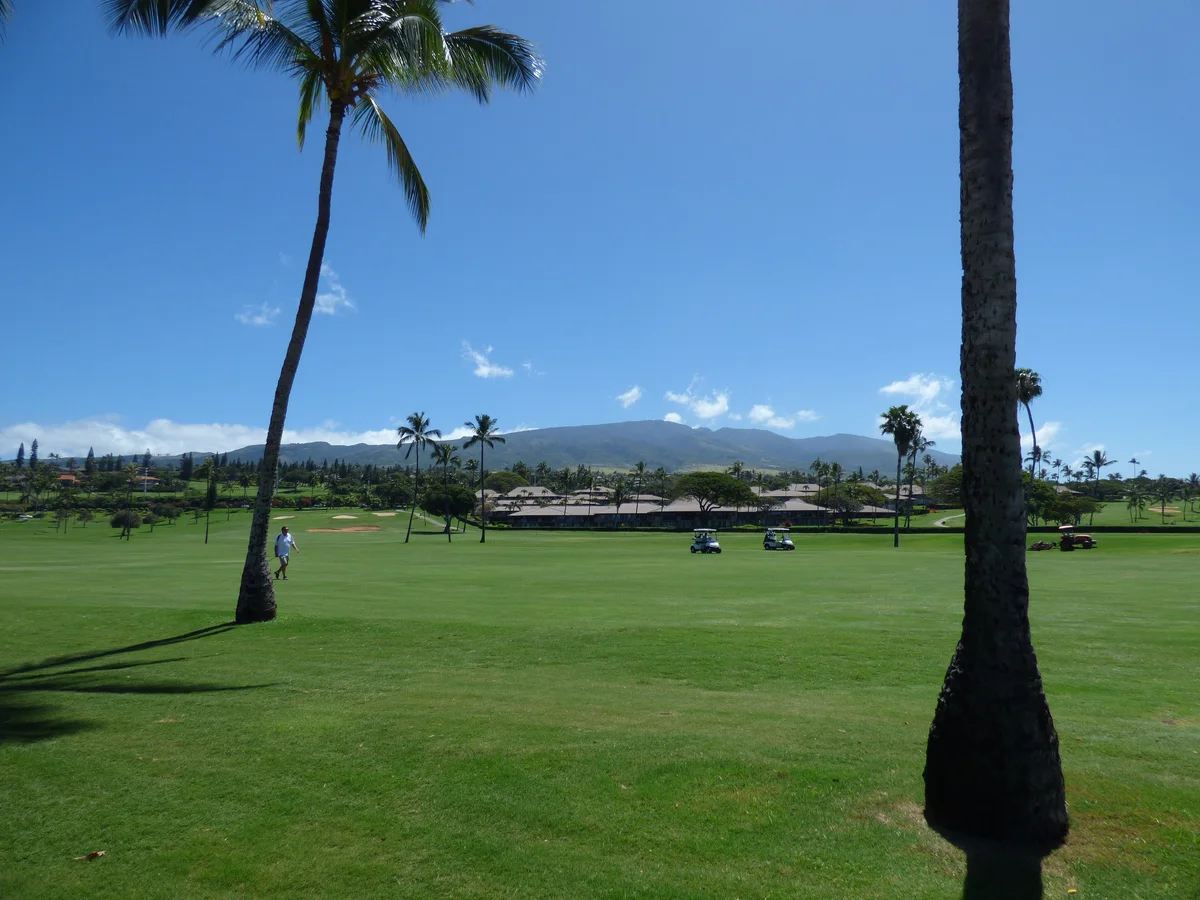
A par 73 on the slopes of the West Maui Mountains, built for the trade wind.
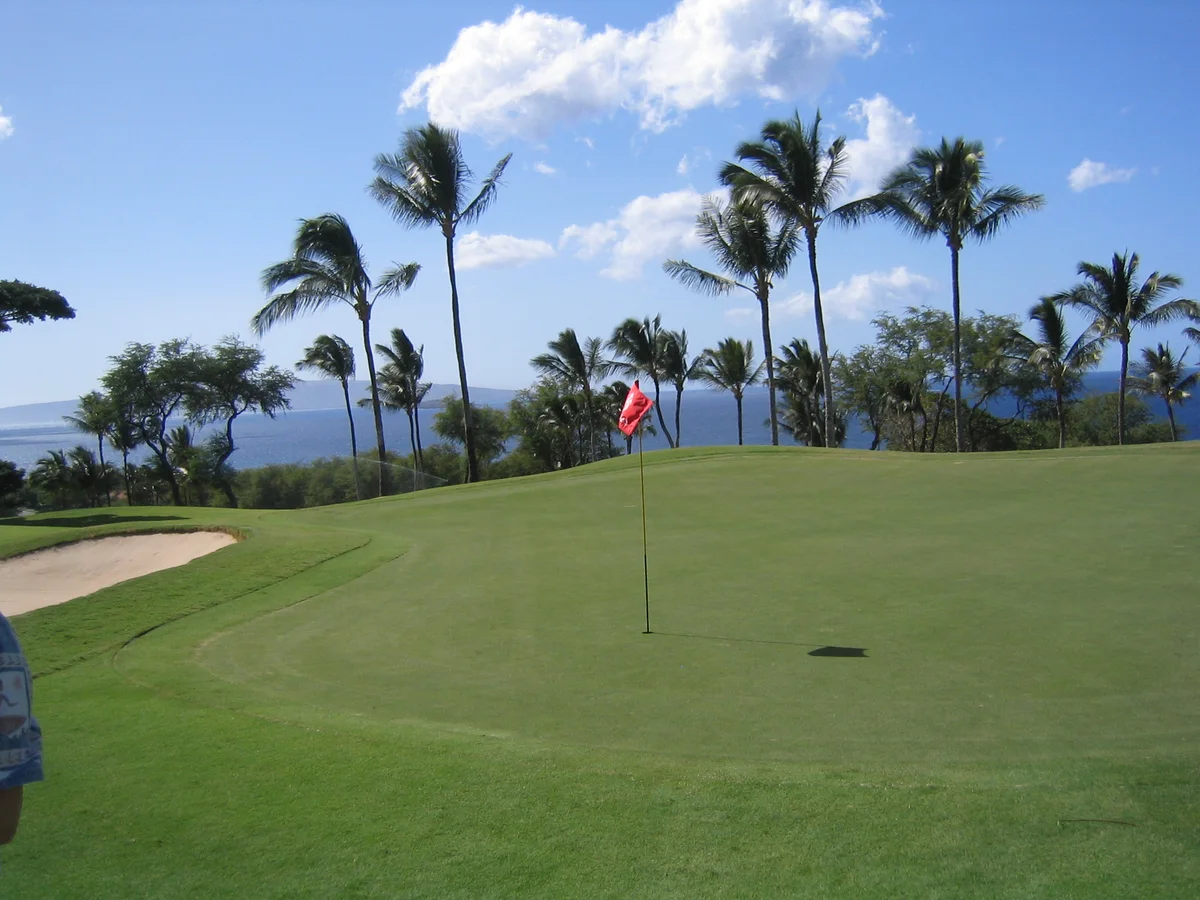
Lava-rock fairways on Maui’s dry south shore, with three courses to choose from.
Robert Trent Jones Sr.’s 1962 resort course, finishing beside a canal.
Robert Trent Jones Sr.’s 1964 lava-field course, with a par three carried over the Pacific surf.
Destination imageryBlack lava and the Senior Skins Game’s old stage, with a par three across an ocean inlet.
Destination imageryRobert Trent Jones Jr.’s south-shore course, home of the PGA Grand Slam from 1994 to 2006.
Ted Robinson’s water features and tiered greens on Oahu’s west side, an LPGA venue for three decades.
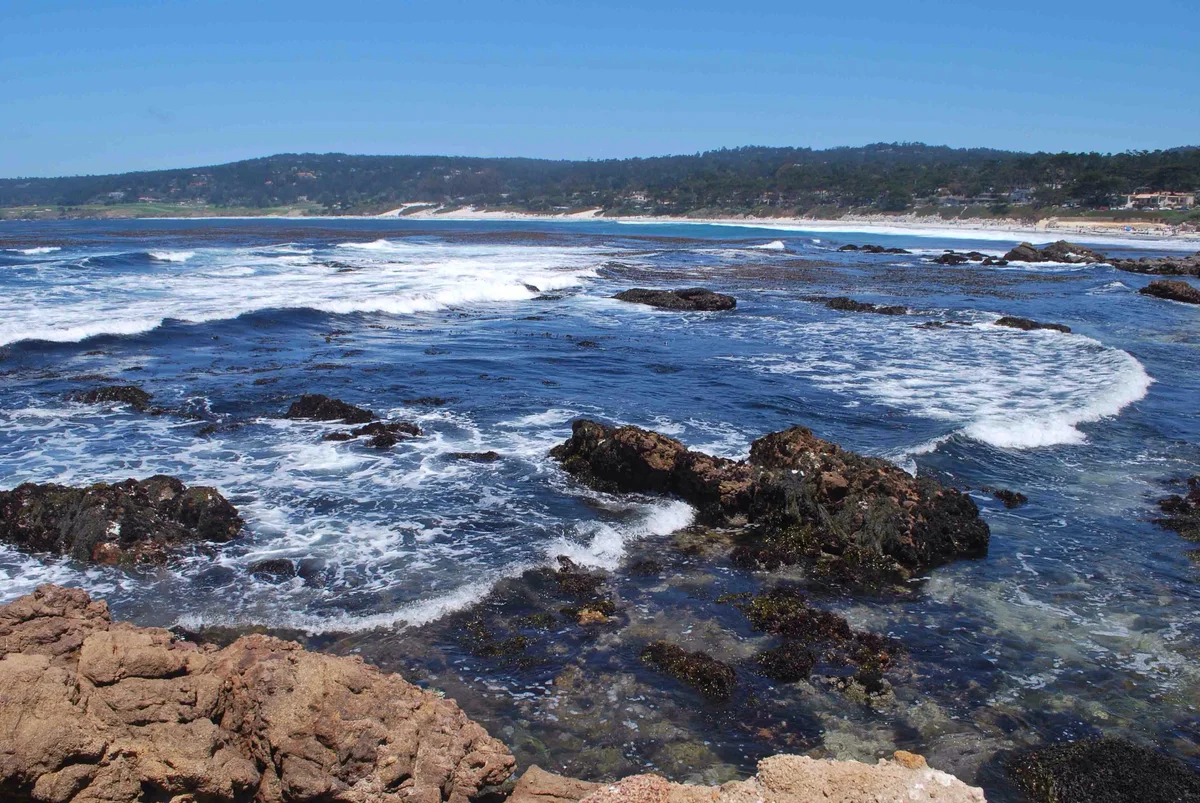
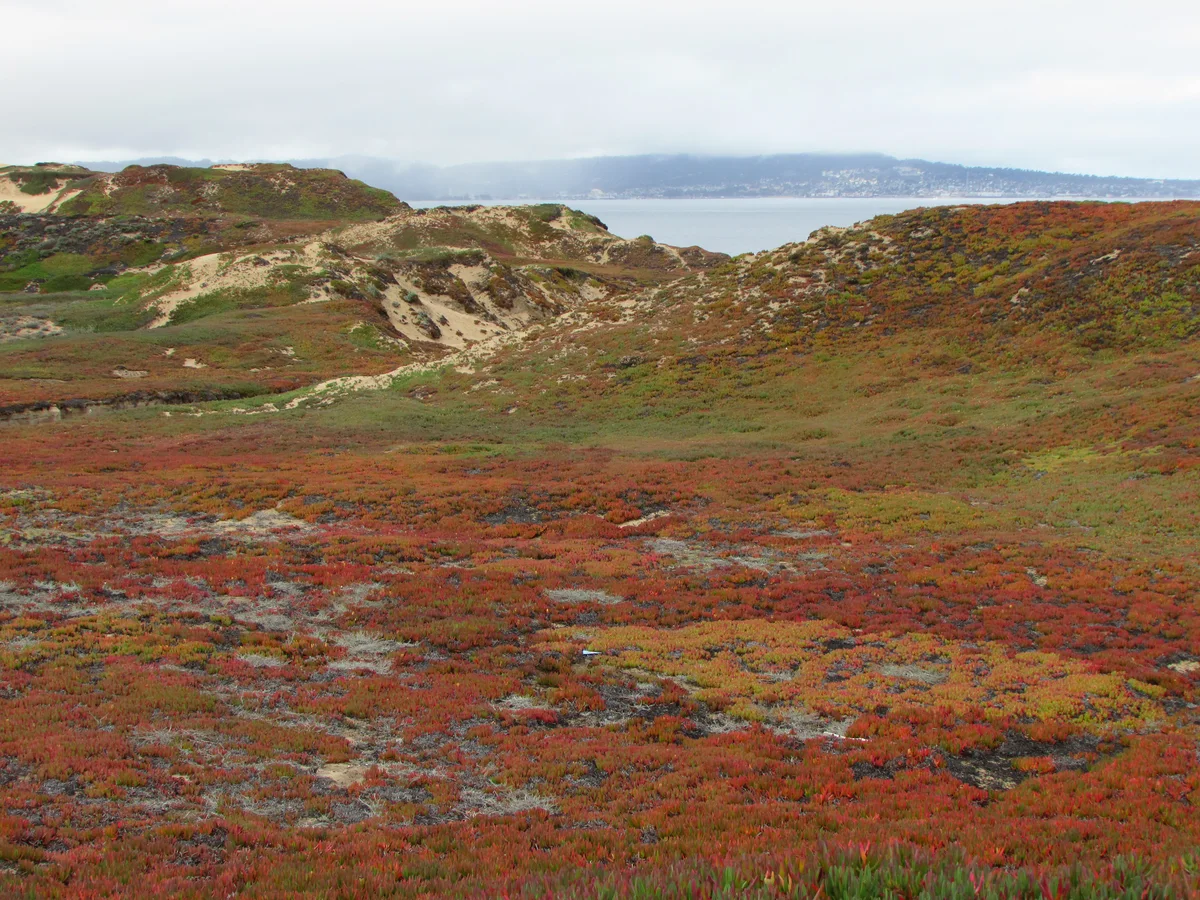
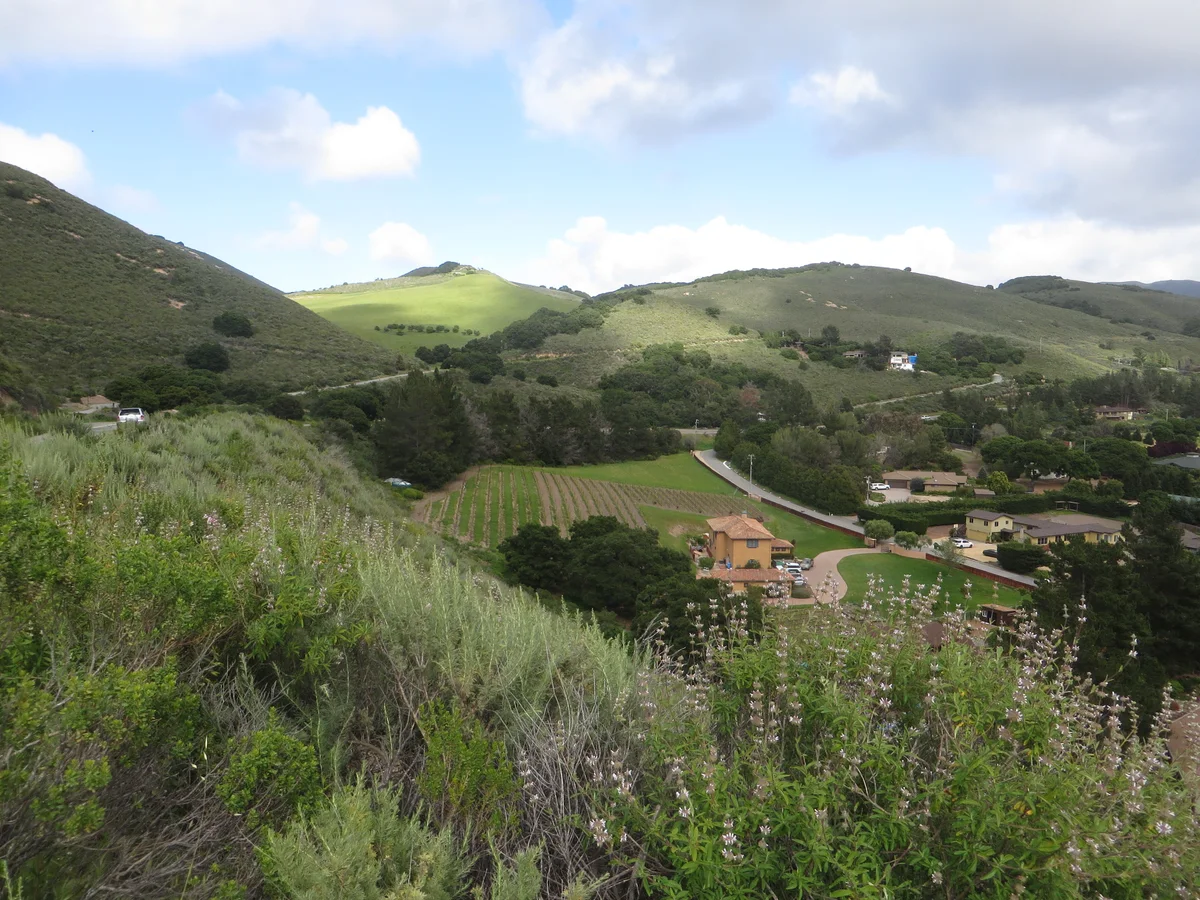
Destination imageryPebble Beach Golf Links is the anchor. Resort guests at The Lodge or the Inn at Spanish Bay can book up to 18 months ahead with a two-night minimum. Non-guests can book only about a day ahead. Spyglass Hill, The Links at Spanish Bay and Pacific Grove’s municipal links are nearby. Torrey Pines is a separate trip, an hour’s flight south.
Bandon Dunes has five 18-hole courses plus the 13-hole Bandon Preserve par-three course, all walking only. Most rounds go to people staying at the resort, and day guests can book from April to mid-November at a premium. Caddies cost US$125 per bag plus a tip. The resort is remote: Southwest Oregon Regional (OTH) is 35 minutes away, Eugene 2.5 hours and Portland 4.5 hours.
Pinehurst’s No. 2, No. 4 and No. 10 are for resort guests, while Nos. 1, 3 and 5 and The Cradle take walk-ons. Mid Pines, Pine Needles and Tobacco Road are nearby. Kiawah’s Ocean Course, about four hours south by road, gives resort guests priority and lets the public book 60 days ahead. Sea Island in Georgia is further south again.
TPC Sawgrass near Jacksonville is fully public, with a 14-day window for non-guests. Streamsong (Red, Blue, Black and, from 2027, Bone Valley) and Cabot Citrus Farms (Karoo and Roost) are both within reach of Tampa, about two hours apart. Day guests at both pay a little more than resort guests.
Whistling Straits’ Straits and Irish courses near Kohler, and Sand Valley’s six walking-only courses in the centre of the state, are about two and a half hours apart. Both take public tee times. The Lido at Sand Valley is for resort guests from Sunday to Thursday. Erin Hills and Blackwolf Run make the trip longer.
Each region has a different season. Florida is at its best from November to April, which is also when prices peak. Summer brings heat, afternoon storms and much lower rates, and the hurricane season runs from June to November. In the Carolinas and Georgia, March to May and mid-September to November are the prime months. Wisconsin courses open from late April to late October, with June to September warmest. The Oregon coast is driest from July to September. On the Monterey Peninsula, summer mornings are often foggy, and September and October usually bring the clearest days. San Diego can be played all year. Bethpage Black is open from mid-April to mid-November.
Plan each region around one airport and a hire car. For Pebble Beach, fly to Monterey (MRY) or drive about two hours from San Francisco or San Jose. For Bandon, use Southwest Oregon Regional (OTH) or Eugene. Pinehurst is reached from Raleigh-Durham (RDU), Kiawah from Charleston (CHS) and Sawgrass from Jacksonville (JAX). Streamsong and Cabot Citrus Farms use Tampa (TPA) or Orlando. In Wisconsin, Milwaukee (MKE) serves Kohler and Central Wisconsin (CWA) serves Sand Valley. Overseas visitors usually connect through a big hub such as Atlanta, Charlotte, Chicago, Dallas or San Francisco. Allow a full day for each move between regions.
Book accommodation and golf together where a resort controls the tee sheet. At Pebble Beach, Pinehurst, Sea Island and Kiawah, the room is often what gets you the tee time. Handicap certificates are rarely checked, but tee choice and pace are taken seriously. Budget for caddie gratuities on top of any fee. Suggested amounts range from about US$40 per player for a forecaddie at TPC Sawgrass to US$120 per player for a walking caddie at Kiawah. Pinehurst suggests US$65 or more, and Whistling Straits US$70 per bag. Many walking resorts limit bag weight. Prices usually exclude sales tax, and resort fees often apply.
Sometimes. Pinehurst No. 2, Sea Island and the Lido at Sand Valley are for resort guests only. Pebble Beach gives guests on a two-night minimum the long booking window, while non-guests book about a day ahead. TPC Sawgrass, Whistling Straits, Kiawah, Torrey Pines and Bethpage Black all take public tee times.
Plan on a gratuity for every caddie, paid in cash after the round. Published guidance includes US$40 per player for a TPC Sawgrass forecaddie, US$65 or more at Pinehurst, US$70 per bag at Whistling Straits and US$120 per player for a walking caddie at Kiawah.
It depends on the region. Florida is best from November to April, the Carolinas in spring and autumn, Wisconsin and Oregon from June to September, and the Monterey Peninsula in September and October. San Diego works all year.
Yes, but as non-residents. Torrey Pines charges non-residents US$258 or more on the South Course plus a US$50 advance booking fee. Bethpage Black charges US$140 or more, with a shorter booking window than New York residents.
Most are not, but several destination resorts are. Bandon Dunes, Sand Valley and the Straits Course at Whistling Straits are walking only. Streamsong is walking only from late December to February. Elsewhere, carts are standard and often included in the green fee.
Last checked 4 October 2026. Independent planning guidance; confirm access, fees and travel details with each operator.
How we research our guides